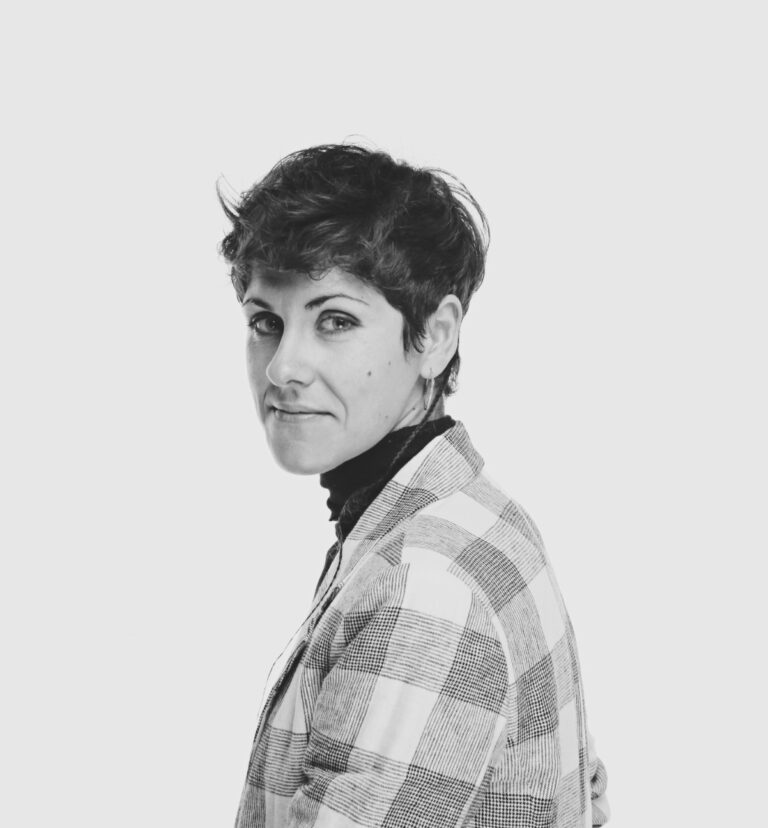
We’re thrilled to introduce Ganna Dovbakh — a human rights activist, feminist, Executive Director of the Eurasian Harm Reduction Association (EHRA), and our 2025 Advisory Council member.
Originally from Ukraine and now based in Vilnius, Lithuania, Ganna brings extensive experience in community engagement, HIV and drug policy advocacy, comprehensive health, and social programming for key populations, including LGBTQIA+ communities, people using drugs, sex workers, and people living with HIV.
Ganna is deeply committed to strengthening communities through support to self-organisation, intersectional advocacy, and human rights-driven approaches.
Ganna has been an integral part of Dalan Fund as a Founding Advisory Member since 2023 and currently serves on our Advisory Council, guiding our mission with expertise, compassion, and unwavering dedication.
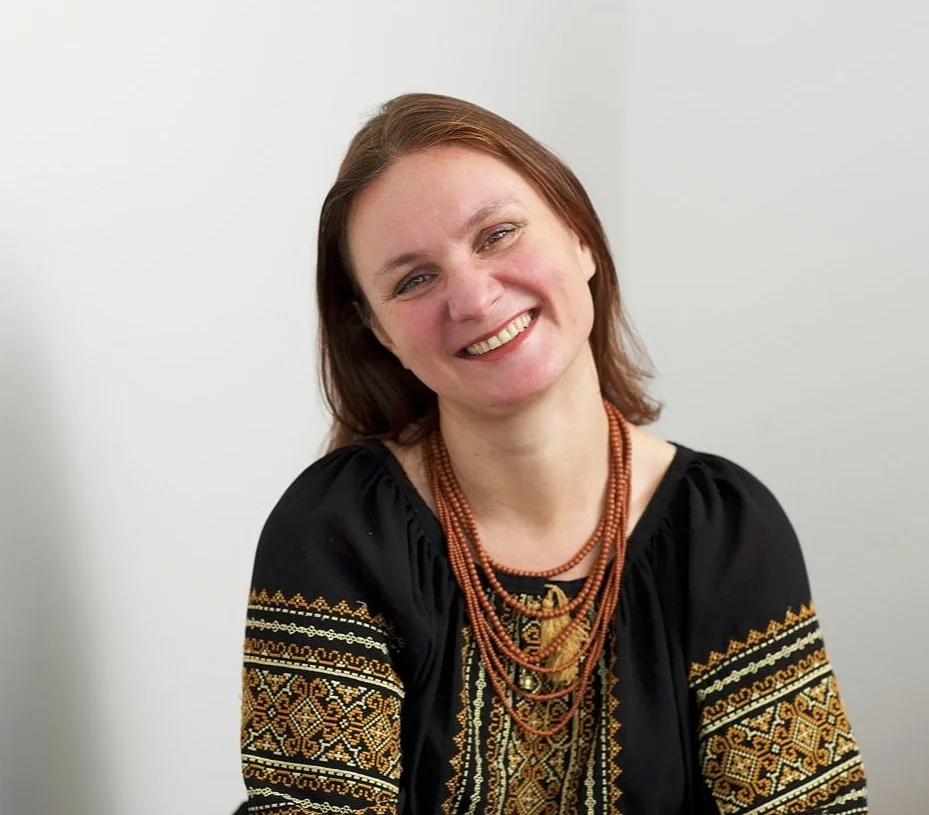
“Harm reduction, HIV advocacy, and drug policy reform are feminist issues. They are also matters of racial justice and fundamental human rights. Authoritarian regimes are driving us all to the margins; they perceive us as a unified threat — and we must respond as one. The question is no longer whether we should stand together. Our struggles are inextricably linked — and so is our futures.”
— Ganna Dovbakh
Ganna, you have a long-standing commitment to community-led responses in the HIV and harm reduction field. What shapes your approach to working with key populations, particularly in the context of Ukraine today?
I’ve always believed that a small group of self-organised people can change the world. I know this to be true — I have lived it. I was present during both Maidan uprisings in Ukraine and witnessed firsthand how, in 2014, volunteers mobilised to defend the country. Even now, much of the impact in Ukraine comes from communities acting out of solidarity and necessity.
Communities that organise horizontally foster mutual learning, build resilience to disinformation, and create safer spaces in the face of violence and exclusion. They hold deep, contextual knowledge of what works and why. Across Central and Eastern Europe, the Caucasus, and Central and North Asia (CEECCNA), I have seen time and again the endurance of grassroots organising.
My work is grounded in the urgency of confronting and overcoming our shared legacy of totalitarianism and imperialism — systems designed to control our bodies, decisions, resources, and voices. In this context, supporting self-organisation is not merely a strategic choice; it is a political imperative. It may, in fact, be the only meaningful path toward breaking with the oppressive structures of both past and present.
What insights can you share on redistributing resources in ways that meaningfully support historically excluded communities, such as people who use drugs, sex workers, and people living with HIV?
When you’ve been stigmatised your entire life, it can be difficult to imagine being trusted with decisions about finances. But that is precisely why it matters. Control over resources is fundamental to agency, autonomy, and the capacity to advocate effectively.
One of the most transformative aspects of the Dalan Fund’s participatory approach to resource distribution is its ability to foster learning, trust, and connection among communities working across different struggles and geographies. Through collective processes and meaningful participation, groups and collectives deepen their understanding of one another’s advocacy agendas, strengthen cross-movement alliances, and lay the groundwork for cross-regional solidarity.
What practices, principles, or sources of solidarity help you and your community stay grounded and sustain the work?
We are living through a profound crisis — not only of funding, but of values and vision. In this context, staying grounded and consistent in our work is essential. It enables our communities to endure and ensures that our agendas remain alive and advancing.
For me, it often comes down to simple routines: going to the office each day, protecting my weekends from work and meetings. In times of crisis — whether the pandemic, the full-scale invasion, or the current global backlash against rights — our movement’s networks have consistently prioritised connection and mutual support. Predictability, regularity, and care are what help people feel safe.
And above all: solidarity. Feeling seen, respected, and celebrated remains one of the most powerful sources of motivation for any activist. As movement leaders, it is our responsibility to create those moments. Every act of resistance — no matter how small — deserves recognition. Every win, however quiet, matters.
Some funders still treat harm reduction, HIV advocacy, and feminist organising as siloed. What would you say to them?
These struggles are not separate — and they never have been. Harm reduction, HIV advocacy, and drug policy reform are feminist issues. They are also matters of racial justice and fundamental human rights. Authoritarian regimes are driving us all to the margins; they perceive us as a unified threat — and we must respond as one. The question is no longer whether we should stand together. Our struggles are inextricably linked — and so is our future.
What are the most urgent gaps in global HIV and harm reduction funding for the CEECCNA regions? How can funders be more responsive to local leadership and lived realities?
We are currently facing the most severe crisis in harm reduction funding in decades — and it is hitting our regions the hardest. In CEECCNA, harm reduction services and drug policy advocacy have long relied on international funding. But as major donors — particularly from the US and EU — withdraw, entire programmes are disappearing. This is not merely a funding shortfall; it is a matter of life and death.
Overdose rates will rise. Criminalisation will intensify. More people will be imprisoned. And much of this will remain invisible, as governments are unlikely to invest in research or data collection. Within a few years, we may lose reliable data on HIV and hepatitis C altogether.
For many of us, it feels like the collapse of three decades of work. And yet, what sustains me is the community. We are still here — still organising, still supporting one another, still refusing to give up.