The Participatory Decision-Making Committee (PDMC) plays a key role in co-designing the Dalan Fund´s resource distribution mechanisms and holds decision-making power in selecting the Fund´s movement partners.
As an activist-led multi-regional fund, Dalan Fund is committed to democratizing resource distribution practices and putting analysis of regional intersectional grassroots organizers at the center of the decision-making on where funding goes.
The Participatory Decision-making Committee (PDMC) plays a key role in co-designing the Dalan Fund´s resource distribution mechanisms and holds decision-making power in selecting the Fund´s movement partners. Composed of 15 members, the committee members connect and weave local expertise and analysis, guiding the sub-regional funding priorities and the Fund´s Resource Distribution practice.
To ensure that the power of decision-making is shared among representatives of movements and geographies that Dalan Fund works with and for, the role is rotational.
As Dalan Fund is committed to fostering resilience and the collective power of intersectional social justice organizers and movements in and for the regions, the PDMC is composed of CEECCNA-based organizers, as well as activists from the regions in migration and diaspora. They bring knowledge, networks, and political guidance from feminist and gender justice movements to climate, racial, and disability rights justice organizing.
Central and Eastern Europe
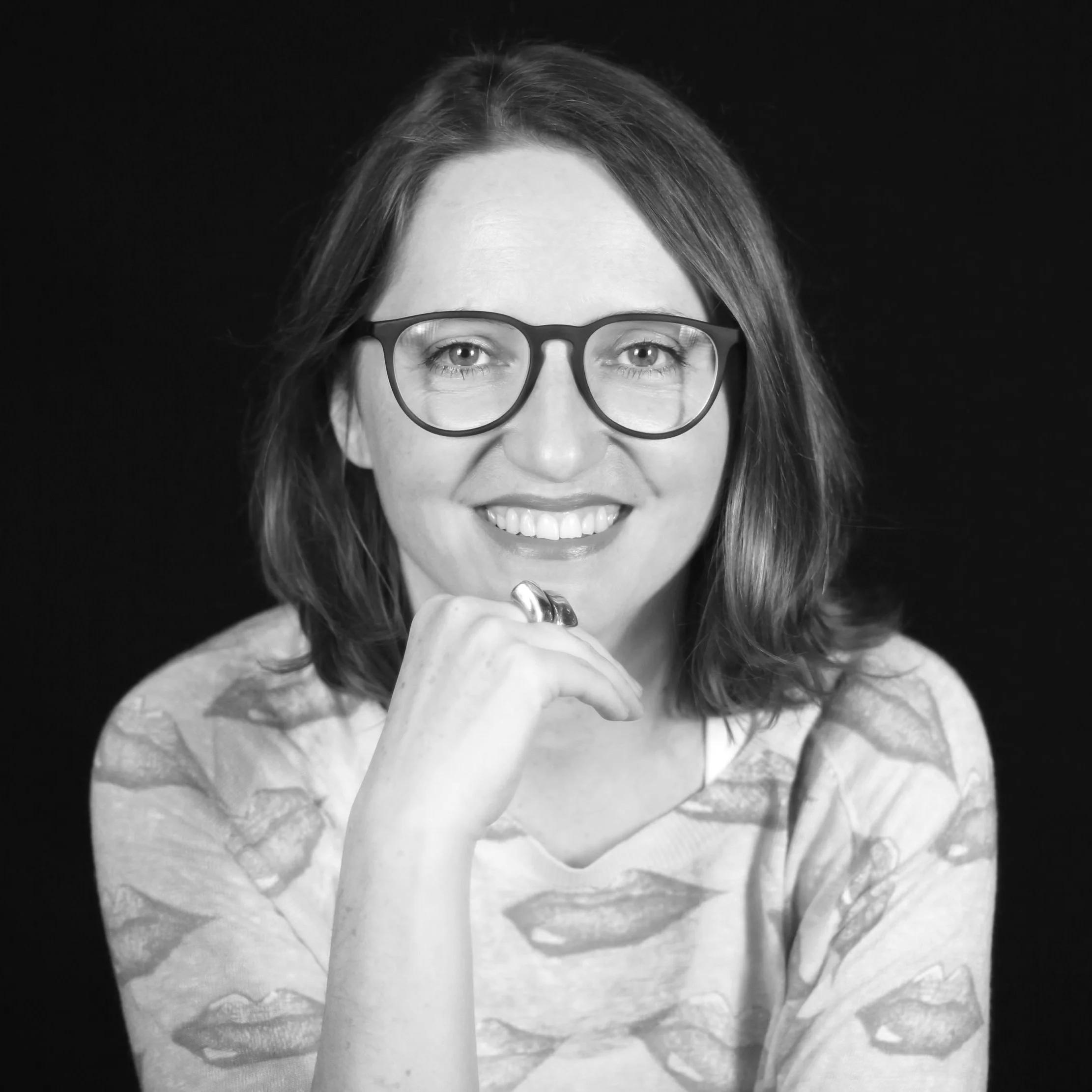
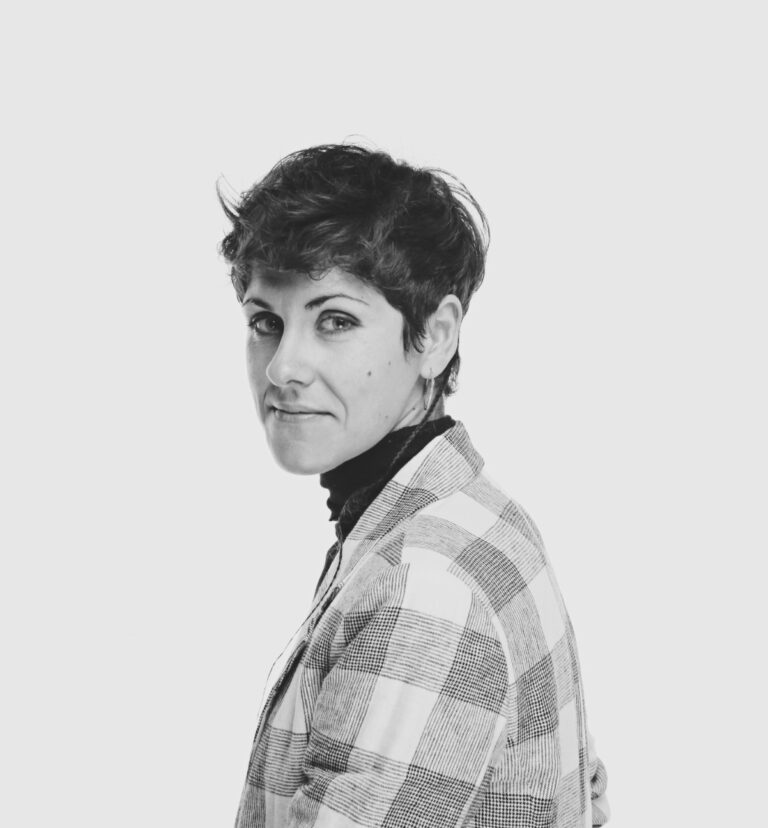
Magda Fabianczyk / Poland
Magda Fabianczyk (she/her) is an artist, activist, organizer, and co-director and co-founder of POMOC, a grassroots political home for Eastern European migrants living in the UK to organize together towards dignity, power, and justice.
Magda teaches at UAL Central Saint Martins and is a founding member of the Polish feminist activist groups Dziewuchy London and Polonia Głosuje.
Trained as a narrative mediator, she uses art-based methodologies to connect and collectivize people and, in turn, challenge social hierarchies and discrimination.
She organized with the Roma community in Bytom and Chechnyan communities in Lublin and was awarded numerous socially engaged art residencies, including at VASL in Pakistan, Banglanatak.com in India, and the Arts Council/Gasworks residency in Mauritius.
Olha Boiko / Ukraine
Olha Boiko (she/her) is a climate justice activist based in Kyiv, Ukraine. As an experienced facilitator and network manager, she has played multiple roles within the climate movement in Ukraine since 2015, ranging from coordinating volunteers at climate camps to public speaking, training, and facilitating. She has also been instrumental in organizing the biggest Climate March in Ukraine (September 2019) and coordinating the Climate Action Network in Eastern Europe, Caucasus, and Central Asia (CAN EECCA).
She is committed to connecting, empowering, and supporting civil society in the EECCA region to increase their voice in climate policy spaces and beyond.
She is currently acquiring her Master’s in NGO management at the Ukrainian Catholic University. She speaks Ukrainian, Russian, English, Portuguese, and Spanish, and is learning Georgian.


Tony Lashden / Belarus
Tony Lashden (they/them) is the co-founder of the Belarusian collective “Tender na gender.” In addition to leading the queer feminist movement in Belarus, Tony has been working in various capacities to resource social justice movements through global philanthropy for 8 years.
They focus on supporting feminist and LGBTQI+ movements in Eastern Europe, the South Caucasus, and Central Asia. Tony served as an advisor for the CEECCNA regions at FRIDA Young Feminist Fund and has worked with RFSL, the Swedish Federation for LGBTQI+ Rights, and Civil Rights Defenders.
They are also a prolific writer and poet, exploring topics such as loss, queerness, and relationships with the land in their writing.
Tony advocates for the rights of migrants, refugees, and forcibly displaced people, as well as for disability rights, decolonization, anti-authoritarian resistance, support for women political prisoners, and resistance against anti-gender organizing.
An anonymous activist / Slovakia
She is a Slovak feminist who focuses on social movements, civil disobedience and direct action, civil resistance, the shrinking space for Civil Society (both organized and unorganized), and the protection and safety of activists from Eastern Europe and Central Asia, as well as institutional fundraising. Through her networks and activism, she works on anti-corruption, rule of law, environmental justice, and anti-war initiatives. She strives for a progressive society where people are put above profit, a goal that spans several themes.

Nikolett Suha / Hungary
Dr. Nikolett Suha (she/her) is a human rights expert, lawyer, and intercultural mediator focusing on discrimination, harassment, and bullying at workplaces.
Since 2015, she has been based in Berlin, where she has worked for various multinational companies in a wide range of managerial roles.
Nikolett is an award-winning author and activist, co-founder of the Ame Panzh (‘The Five of Us’), an exclusively Roma intellectual youth group, which published their first book on Roma representation in 2023. She co-founded Sheja Consulting, which supports transformative changes of individuals and organizations.
Caucasus
Esset Samatova / Ingushetia
Esset Samatova is an international expert in psychology and human rights from Ingushetia, with over a decade of experience in international NGOs.
Esset is a dedicated advocate for women’s rights and mental health, focusing on capacity building and psychosocial support for activists. She currently works at Protection International where she tutors online courses for human rights activists and social organizations, conducts capacity-building sessions for European and Eurasian organizations, and develops guidelines for psychosocial support.
Previously, Esset served as a consulting psychologist and facilitator in the North Caucasus, conducting over 600 consultations for women in crisis and leading 216 educational sessions for young women on health, education, and leadership.
Esset’s academic background includes fellowships and courses from prestigious institutions like OHCHR, UN (Switzerland), Stanford University, and the University of Santa Cruz. She holds Bachelor’s degrees in Psychology and Philology from Ingush State University.


Luiza Vardanyan / Armenia
Luiza Vardanyan (she/her) is an Armenian feminist human rights expert, criminal lawyer, and human rights trainer. Currently, she is a board member, secretary, and advocacy officer of the No Hate Speech Network.
Luiza works with the Eurasian Coalition on Health, Rights, Gender, and Sexual Diversity on monitoring and documentation of LGBT human rights violation cases, and is the coordinator of monitoring and documentation of human rights violation cases in Armenia, national expert for the legislation and reporting for Armenia.
She is a member of The Chamber of Advocates of RA and the Armenian Mental Health Association.
Luiza has 8 years of experience in the field of human rights activism, including providing legal advice and representation in law enforcement bodies, leading strategic litigations aiming to change legislation and practice violating human rights and dignity in the sphere of equality and anti-discrimination, sexual rights; engagement in advocacy work at the national and international level. She has authored various reports on human rights violations recommendations, and policies for legislative amendments.
Sevinj Samadzade / Azerbaijan
Sevinj Samadzade (she/her) is a feminist researcher from Azerbaijan, currently based in Belgium. As a co-founder of a Feminist Peace Collective, she is involved in conceptualizing and practicing feminist peace resistance across the South Caucasus, by connecting feminist theories and practice.
She is currently pursuing her PhD at Ghent University by examining how and when social work practices reproduce powers and discourses of geopolitics. Within her research, she delves into providing a deeper understanding of the interaction between global and local scales in the context of social welfare provisions for women in Georgia.
Sevinj holds a master’s degree in Middle East, Caucasus and Central Asian Security Studies from the University of St. Andrews in Scotland. She has broadly focused on gender, peace, and security nexus within the South Caucasus region with a decade-long experience working in various civil society groups in Azerbaijan and Georgia.
She has been engaged in processes related to dealing with the past and researching an alternative history and daily politics of the Nagorno-Karabakh conflict, in addition to implementing gender and peace education in the wider region.


Tamta Mikeladze / Georgia
Tamta Mikeladze (she/her) is one of the co-founders of the civil society organization Social Justice Center and has been working there since 2013 as the Director of the Equality Policy Program.
The main thematic directions of her activities include religious freedom, religion, and politics, the inclusion and rights of non-dominant ethnic groups, peace politics, and human rights protection in conflict regions, as well as women’s and LGBTI people’s rights.
Currently, Tamta is an associate professor at Ilia State University, where she leads various interdisciplinary courses within the law, religious studies, and public policy programs. Additionally, she is a doctoral student in the Social and Cultural Anthropology doctoral program at Ilia State University.
Zemfira Gogui / Karachaevo Cherkessia
Zemfira Gogui (she/her) is a human rights professional from Karachay-Cherkess Republic, North Caucasus, currently based in Tbilisi, Georgia. She worked with the Human Rights Measurement Initiative, ECOM.ngo and currently she is the Advocacy Manager of a local North-Caucasus women’s rights organization.
She is experienced in global human rights mechanisms, building solidarity networks, and promoting awareness and action on human rights issues in the North Caucasus and EECA region. In Tbilisi, she’s been involved in decolonization activities, co-organizing events to investigate and challenge colonial legacies and power structures that perpetuate inequality and marginalization in the North Caucasus.
She is an advocate for indigenous rights, cultural preservation, and the recognition of historical injustices. Zemfira is deeply passionate about the rich cultural heritage of CEECA. Cinema, art, and traditional folk music from these regions hold a special place in her heart, particularly those artistic expressions that were previously hidden or undervalued by colonial forces.

Central and North Asia
Sasha / Buryatia
Sasha (she/her) is a Buryat climate activist working on environmental protection, climate action, and youth climate movements/youth engagement. Currently, she works as a Project Manager at an Environmental NGO and as a Project Lead at a Youth Climate Movement. She centers her work around the intersections of land rights, the rights of Indigenous Peoples, and climate justice.

Anisa Abibulloeva / Tajikistan
Anisa Abibulloeva (she/her) is an environmental activist from Tajikistan with up to seven years of experience in climate advocacy and youth action.
Putting environmental preservation at the center of her work, she focuses on the intersectionality of climate and gender justice, intergenerational gaps, and access to natural resources for ethnic minorities.
Currently, she works as a project coordinator for the environmental youth organization “Little Earth,” promoting the grassroots movement and youth efforts in environmental protection. Anisa loves yoga and has a significant houseplant collection.
Nadira Masiumova / Kyrgyzstan
Nadira Masiumova is a human rights activist and anti-discrimination advocate with six years of experience in a grassroots queer organization in Kyrgyzstan.
She co-organized marches for women’s rights in Bishkek and coordinated the Coalition for Equality.
She has expertise in engagement with UN mechanisms, promotion of minority rights, and the anti-discrimination agenda. She is most connected to feminist, gender, and racial justice organizing, as well as to the rights to health, peaceful assembly, and freedom of association.

An anonymous activist / Uzbekistan
She is an LGBTQI organizer with nearly 15 years of experience in community building, feminist and gender justice activism, and work on decolonization. Her work involves UN-level advocacy, writing shadow reports, and high-level advocacy.