Three years into Russia’s full-scale invasion of Ukraine, the global landscape is shifting. Authoritarianism is gaining ground, human rights funding is dwindling, and exclusionary narratives are reshaping public discourse. As funders divert resources away from social justice and humanitarian efforts, communities at risk are left increasingly exposed. Across Ukraine and CEECCNA regions, war, shrinking civic space, economic instability, and environmental degradation are compounding prolonged poly-crises, demanding urgent, intersectional responses and a transformative vision for recovery.
Yet, amid tension and uncertainty, social and climate justice organizers and movements are working tirelessly to persist. At Dalan Fund, we stand in unwavering solidarity with our movement partners and community in Ukraine and beyond, recognizing their steadfastness and commitment to peace and justice.
We spoke with Martynka, Rozviy, Marsh Zhinok and Olha Boiko about the intersection of climate, gender, and social justice in the face of war — and why grassroots organizing remains critical to building just and sustainable futures.
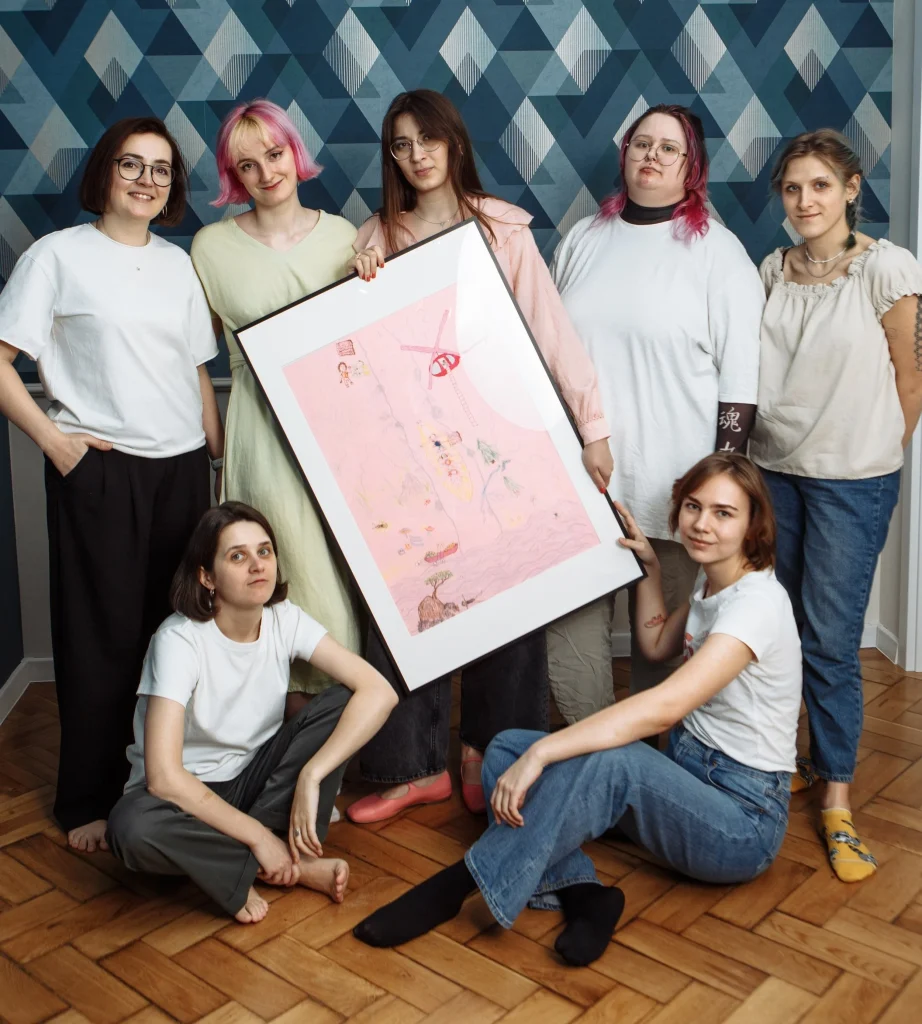
Martynka
Martynka is a feminist initiative providing vital support to Ukrainian women and queer refugees in Poland. From access to reproductive healthcare and psychological aid to legal guidance and emergency assistance, they stand by those navigating displacement and systemic barriers. Through their hotline and direct services, Martynka ensures that no one is left without the care and information they need.
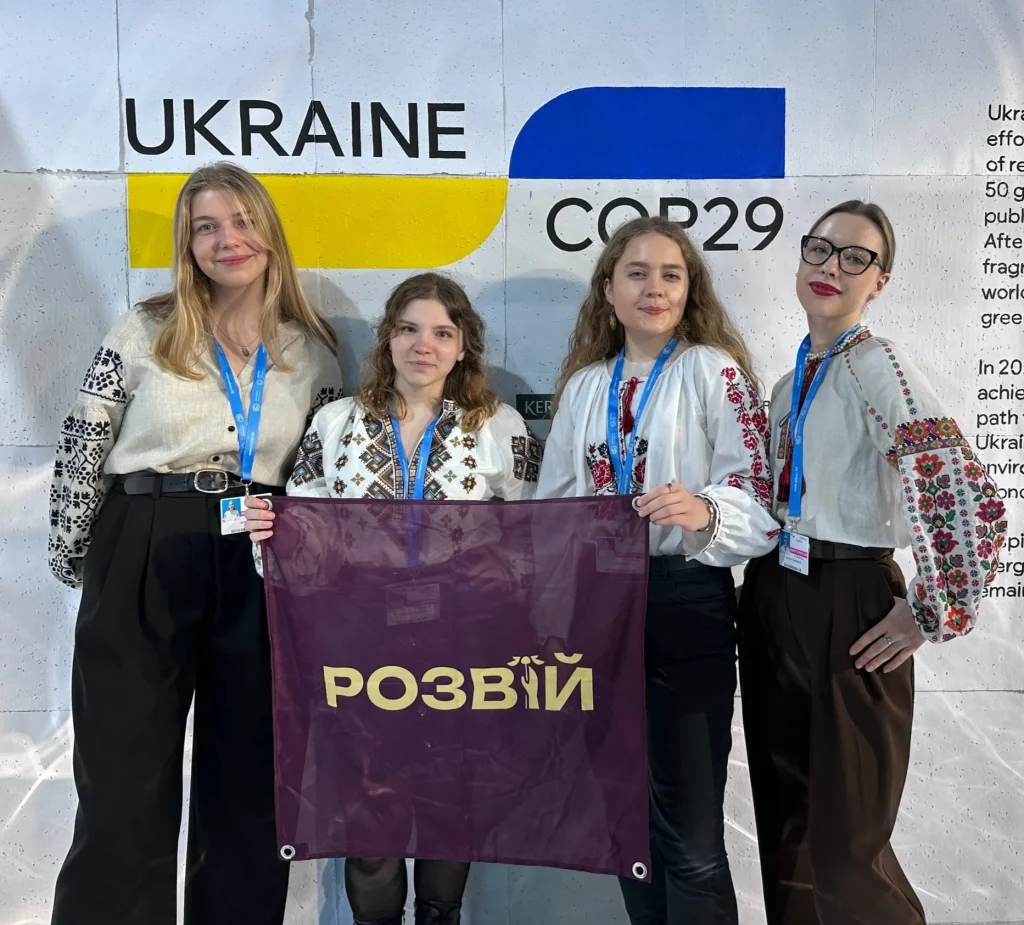
Rozviy Youth Climate Initiative
Rozviy is a grassroots initiative fighting for climate justice in Ukraine, even in the midst of war. They advocate for a sustainable, people-centered recovery by pushing for green reconstruction, energy access, and intersectional climate action. Despite immense challenges, Rozviy remains committed to building a livable future for all.
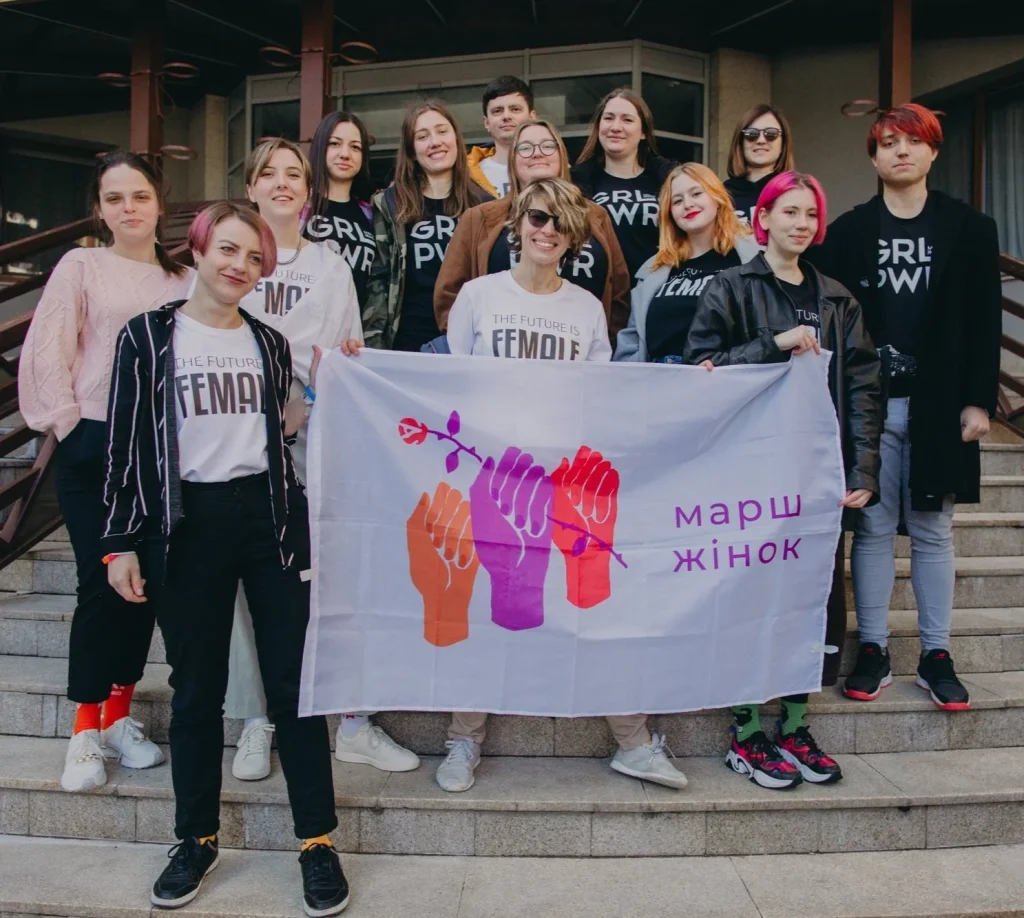
Marsh Zhinok
Marsh Zhinok is a feminist initiative that unites activists, representatives of civil society organizations, and concerned women to strengthen the feminist movement in Ukraine. Their mission is to protect women’s rights, combat gender-based and other forms of violence against women, and promote gender equality across all spheres of life.
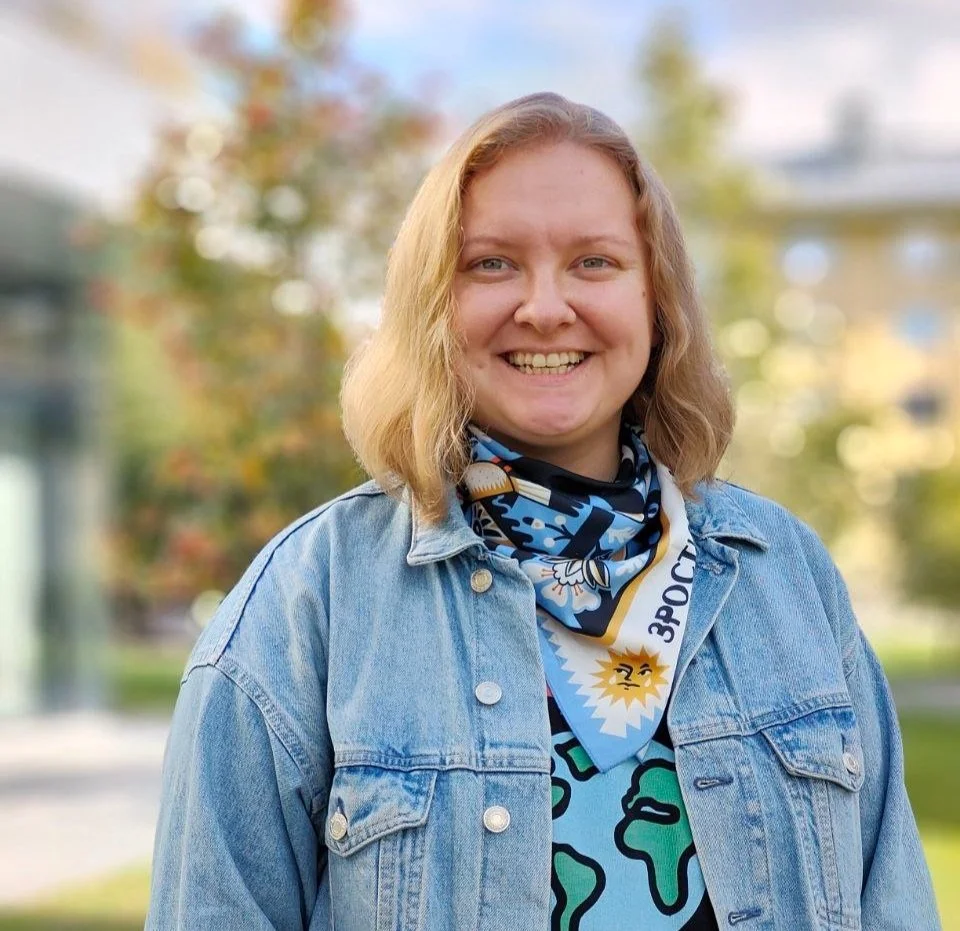
Olha Boiko
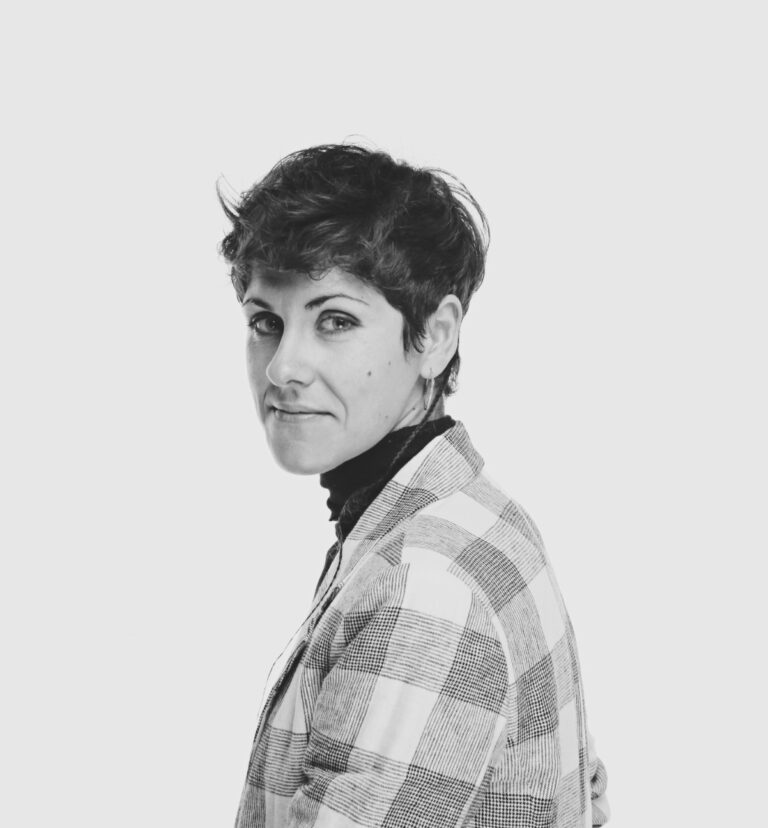
A climate justice activist, member of the Dalan Fund’s Participatory Decision-Making Committee (PDMC), and network coordinator at CAN EECCA, based in Kyiv, Ukraine.
Olha Boiko is a dedicated climate activist amplifying the voices of grassroots movements in Ukraine and across the region. She advocates for just, sustainable recovery and ensures that gender, climate, and social justice remain at the forefront of the fight for a livable future. Even in wartime, Olha continues to push for bold, intersectional solutions.
How has the war affected the climate movement in Ukraine?
Rozviy: The war has been a significant setback for the climate movement. Many activists have been displaced, some have fled. As a result, there is a gap in expertise and leadership, making systemic change even more difficult to achieve.
At the same time, the climate crisis isn’t pausing for the war — it continues to disproportionately impact the most vulnerable communities. For many, the immediate struggle to survive takes precedence over long-term climate advocacy, weakening the movement and making it harder for young people to sustain their participation and leadership. That’s why we must keep pushing forward; we cannot afford to lose momentum on climate action.
What are the biggest challenges for climate organizers in wartime?
Rozviy: Funding, without a doubt. When the full-scale invasion began, many major donors shifted their focus entirely to humanitarian aid. Initially, little attention was given to what climate-resilient humanitarian support for Ukraine could look like.
But Ukrainian activists didn’t retreat. They began advocating for a green recovery, insisting that reconstruction efforts must prioritize sustainability. Right now, we’re working on scalable projects — especially around energy access — to demonstrate that sustainability isn’t just an option, but a necessity, even in wartime.
However, a critical challenge remains: the lack of accessible resources on climate issues prevents broader public engagement. For recovery efforts to be truly grassroots-led, transparent, and intersectional, communities must have the knowledge and tools to participate meaningfully.
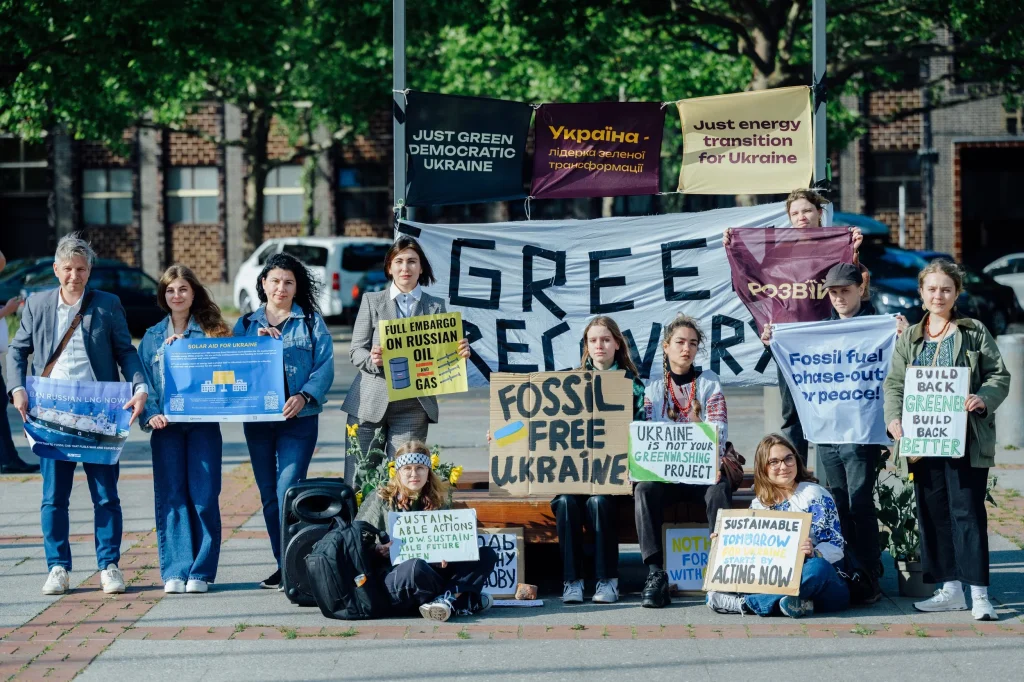
Rozviy Youth Climate Initiative
How are climate, environmental, and gender justice connected in Ukraine and the CEECCNA regions?
Olha Boiko: These struggles are deeply intertwined. Communities facing systemic oppression bear the brunt of climate injustice and environmental devastation. In rural and Indigenous communities, women face the harshest impacts due to economic inequalities, dependence on natural resources, and systemic exclusion from political decision-making.
Extreme weather conditions and pollution from extractive industries disproportionately affect women, who are often primary caregivers and rely on nature for their livelihoods. And then there’s the war. The Russian full-scale invasion of Ukraine has magnified these challenges — displacement, energy insecurity, and environmental degradation have all intensified.
With many men serving in the army, Ukrainian women are managing households alone while also stepping into leadership roles in humanitarian and environmental recovery efforts. Achieving justice requires gender-responsive climate policies, greater support for women-led initiatives, and a commitment to dismantling the inequalities driving these crises.
How are women in and from Ukraine navigating the challenges of war and displacement?
Marsh Zhinok: War disrupts dominant narratives about gender roles, often forcing women into new responsibilities while exposing them to heightened discrimination and violence. This reality profoundly impacts both our organization and the communities we support. Many women face a dual burden — assuming new roles while continuing to shoulder caregiving and survival responsibilities. Those who join the war effort or take on roles historically framed as “male” often face prejudice, while gender-based violence increases in conflict settings.
At the same time, war deepens social and economic inequalities, leaving many women without stable livelihoods, struggling to access essential services, and facing limited opportunities for recovery. Yet public discourse remains centered on military operations, sidelining gendered dimensions of the crisis — including discrimination and gender-based violence — despite their compounding effects. In this context, access to psychological support is one of the most pressing humanitarian needs. Through trauma-informed counseling, we provide women with emotional support to help them navigate war-related stress and adapt to shifting realities.
Beyond immediate relief, we are committed to dismantling systemic inequalities. Our awareness campaign challenges harmful gender stereotypes and fosters inclusion, equipping communities with educational tools to counter bias and discrimination. At the heart of our work is the pursuit of justice and equal opportunities for all, ensuring that women’s perspectives, needs, and leadership remain central to rebuilding efforts.
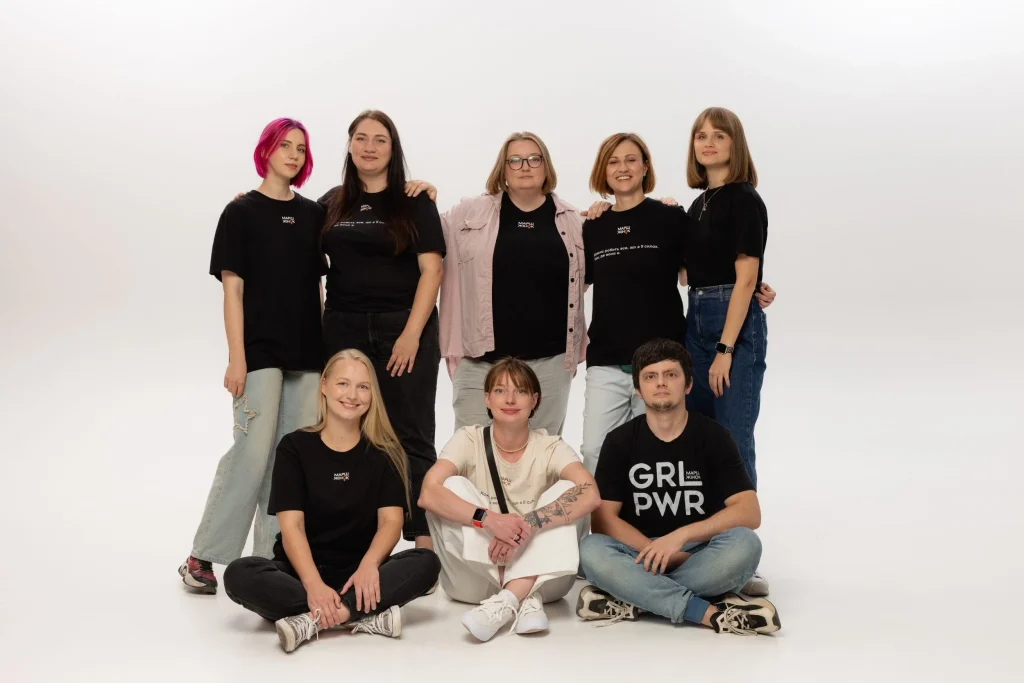
Marsh Zhinok
How has the war impacted women’s health in Ukraine and beyond?
Martynka: Every day, 13 people attend psychotherapy sessions through Martynka. Most are refugee women with children, coping with burnout, grief, and separation from partners who remained in Ukraine. The psychological toll is immense.
On top of that, the war has driven a rise in domestic violence and abuse. In times of chaos, women and queer refugees face even greater risks. Additionally, there has been an alarming increase in human trafficking, including sexual exploitation. This is the grim reality we are confronting.
Marsh Zhinok: Many internally displaced women (IDPs) in Ukraine are navigating extreme hardship. Forced to flee their homes due to hostilities, they remain in the country but often find themselves without stable housing, income, or access to essential services. Many are also primary caregivers for young children and elderly relatives, further straining their well-being.
The disruption of healthcare systems, combined with economic instability and the psychological toll of displacement, makes it incredibly difficult for them to access medical care and mental health support. At Marsh Zhinok, we focus on ensuring that these women are not overlooked, advocating for resources and support that address their urgent needs.
What barriers do Ukrainian women face in accessing healthcare in Poland?

Martynka: Basic healthcare access is a major challenge. Only 16% of Ukrainian refugees know what medical services their Polish health insurance covers. That knowledge gap leaves many without essential care.
Reproductive healthcare is another major hurdle. Poland has some of the strictest abortion laws in Europe — nearly all abortions are banned. Every week, at least three migrants or refugees contact Martynka seeking information on safe and legal abortion options.
Even emergency contraception is difficult to access. Polish doctors can refuse to prescribe it on religious grounds, creating serious obstacles, particularly for Ukrainian refugees unfamiliar with the system. Our hotline helps women navigate these barriers and find the care they need.
What needs to happen to achieve climate and gender justice in CEECCNA regions?
Olha Boiko: We need bold, intersectional approaches prioritizing local leadership and sustainable solutions. Already now whether we’re talking about climate activism, humanitarian aid, or healthcare access, systemically excluded communities — women and queer people affected by systemic inequities — are leading the way.
Rozviy: Supporting grassroots movements and community-led initiatives is essential. Without them, we risk ending up with top-down solutions that fail to meet people’s actual needs.
Martynka: And we must ensure that access to healthcare — especially for refugee women — is not just a theoretical right, but a reality everywhere. Otherwise, justice will remain out of reach.
Marsh Zhinok: Women disproportionately bear the burden of war and environmental crises, facing economic instability and discrimination. Achieving justice requires strengthening equitable opportunities for their meaningful civic participation and providing concrete resources — psychological support, education, and economic assistance — so they can fully contribute to shaping solutions.
Olha Boiko: As our regions continue to navigate war, displacement, and environmental crises, one thing is clear: justice — climate justice, gender justice, social justice — will only be possible if we support those already doing the work on the ground.
As empathy fatigue grows, sustained philanthropic support is essential to keep these lifesaving services available to those who need them most.