Ahead of the 2024 UN Climate Change Conference (COP29), kicking off in Baku, Azerbaijan on November 11, we spoke with environmental and climate activists from the Dalan Fund community. The discussion focused on the intersection of human rights, gender, and climate, addressing the environmental and social challenges faced by communities in Central and Eastern Europe, the Caucasus, and North and Central Asia. From the impact of authoritarian regimes on climate justice organizing, the need for meaningful participation of impacted communities in climate negotiations, and the importance of building alliances among movements across regions to address shared environmental challenges.
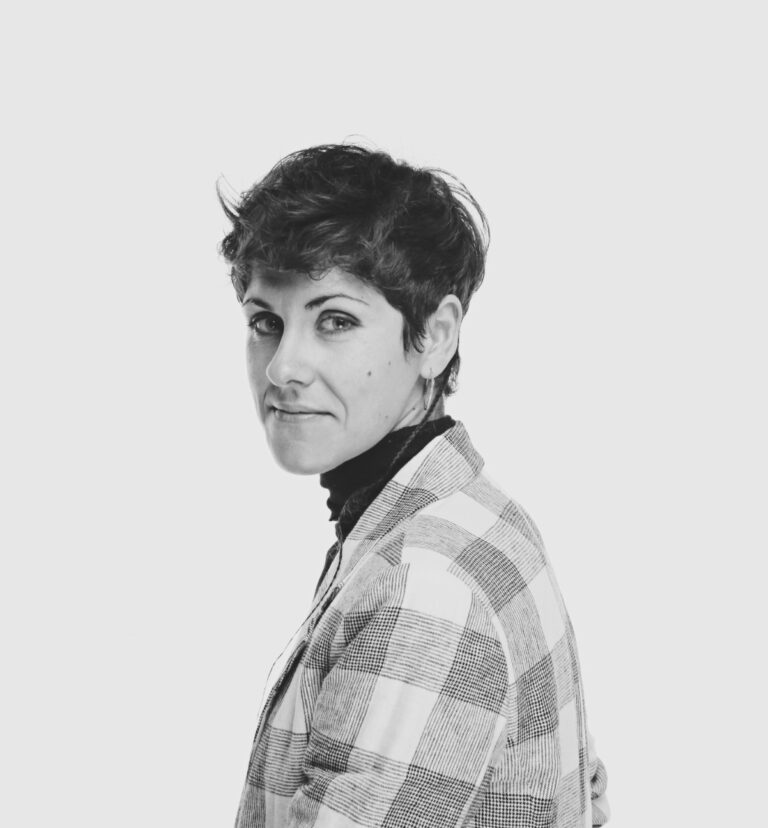
Dalan Fund in conversation with:
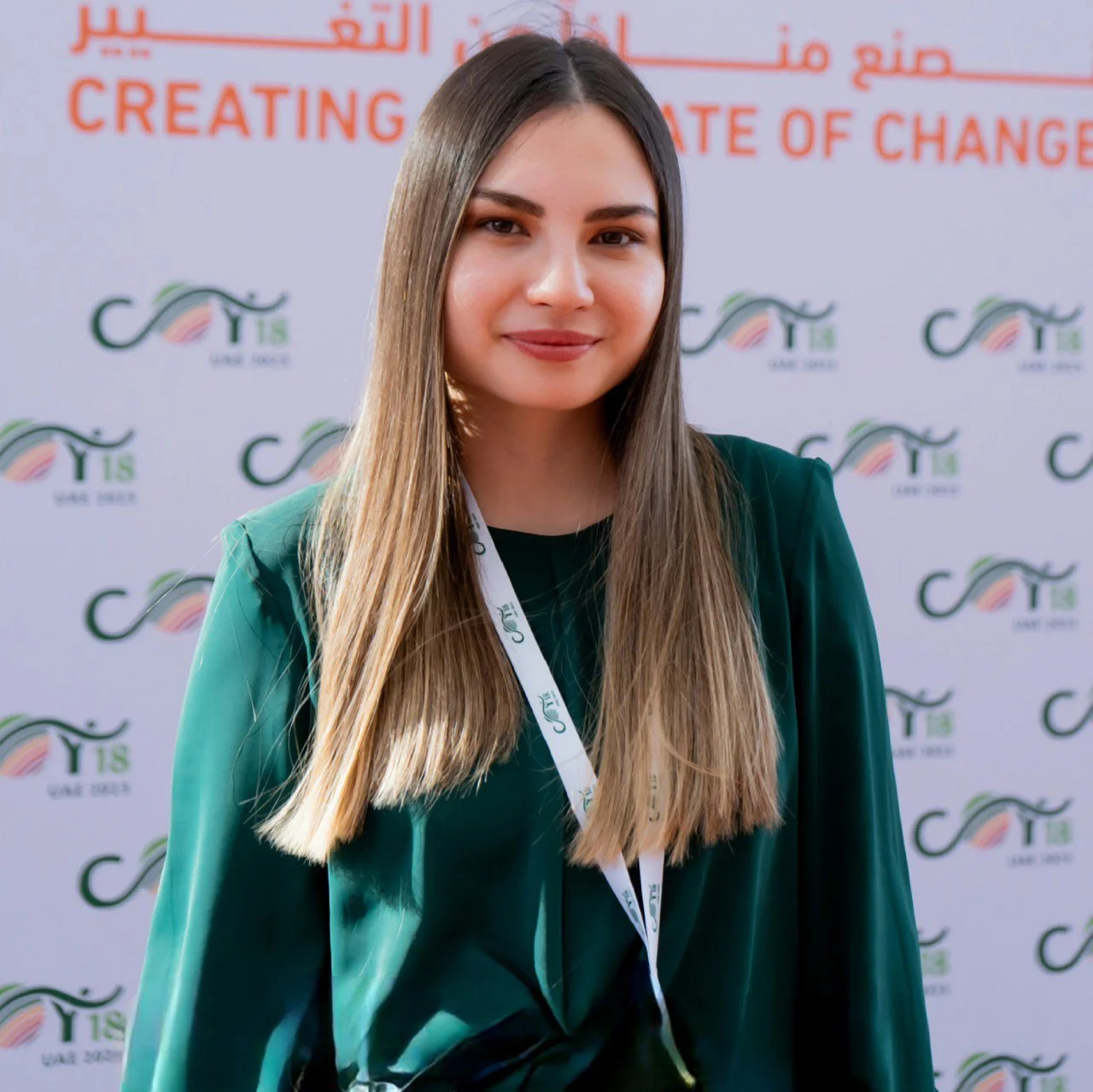


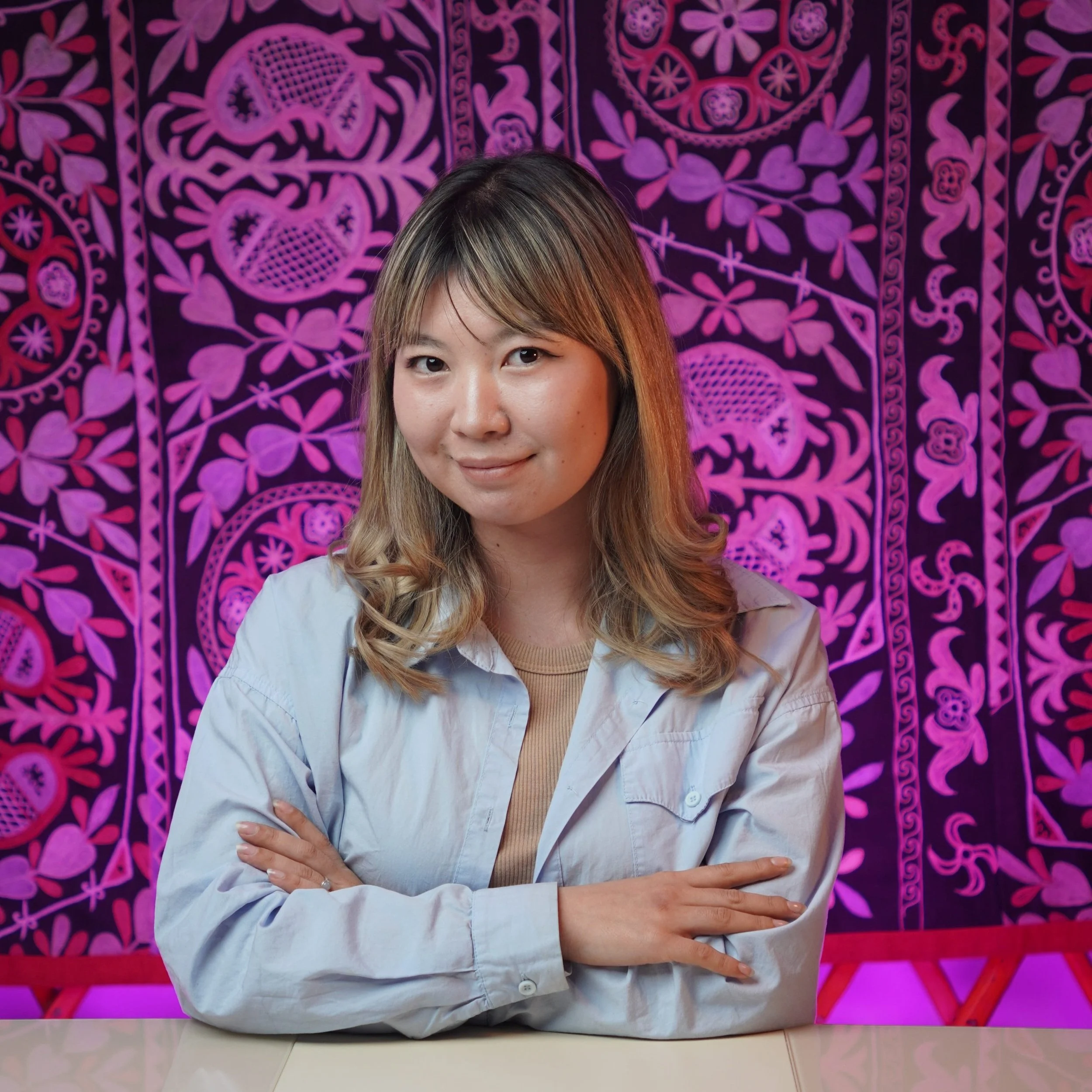

DF: To start, what are your hopes and expectations for COP29? Specifically, how do you think the conference can help address the climate and human rights challenges in the Central and Eastern Europe, the Caucasus, Central and North Asia (CEECCNA) regions?
Sevinj: Expectations for COP29 are entangled with skepticism as Azerbaijan—a state that exploits greenwashing to mask its exploitative agendas—hosts this climate summit. It is not new that authoritarian and rentier states are hosting COP, but this time, we see even more twists. Under the guise of climate leadership, Azerbaijan pushes a “decolonizing” narrative while fully entrenched in fossil fuel extraction and profit-driven environmental degradation. The so-called Climate Finance Action Fund, supposedly aiding Global South nations, is an extension of its neocolonial power, serving to secure resources and markets for green capitalism rather than dismantling oppressive systems that fuel the climate crisis.

Olha: As Sasha says, this first COP hosted in the CEECCNA country outside the EU naturally draws international attention, though knowledge of these regions remains limited. Unfortunately, the post-Soviet legacy still challenges independent states to establish their identities globally. With thousands of observers, journalists, and delegates attending, I urge them to use this moment to deepen their understanding of the CEECCNA context.
DF: Thinking about the state of civil society in CEECCNA, particularly in Azerbaijan, how do limited political freedoms impact climate justice organizing?
Sevinj: The brutal repression of civil society in Azerbaijan amid COP29 creates a dangerous terrain for climate and human rights defenders. The Azerbaijani state has systematically dismantled civil society, labeling dissidents as foreign agents and imprisoning activists on fabricated charges. The Soyudlu resistance, where villagers stood against Anglo Asian Mining’s ecologically disastrous reservoir expansion, is a vivid example. Police violently suppressed the protests, besieging the village, using tear gas, and arresting community members. The village is still under surveillance, and at its entrance, there is still a police checkpoint. In addition, since last year, with an intensified new wave of crackdowns, activists, journalists, and scholars have been targeted. Many have been arrested, banned from leaving the country, or have already left. The peace activist and scholar Bahruz Samadov was one of the latest targets who is facing charges of “treason” because of his interaction with Armenian counterparts. Amid COP29, Azerbaijan is trying to sell its image as a peace-maker, claiming that they are very close to signing the peace treaty with Armenia. Yet, they keep criminalizing peace activism and put the activists in prison for the fabricated charges.

Nurjan: The severe restrictions on human rights and freedom of expression that Sevinj mentioned significantly hinder climate and human rights advocacy in the country. And I would say, the repression faced by civil society in Azerbaijan reflects a wider trend across certain parts of the CEECCNA regions, where limitations on political freedoms directly obstruct the pursuit of climate justice.
Olha: As we know, civil society organizations (CSOs) are vital for information sharing, skill-building, and monitoring policies. However many governments are increasingly controlling CSOs by limiting funding and restricting their activities. The lack of national funding and restrictions on international support often force CSOs to cease operations, undermining local communities and weakening responses to the climate crisis and the pursuit of climate justice as Nurjan points out. Crises drive governments toward rigid, top-down structures, but ironically the real capacity to withstand these challenges lies in empowering local communities, municipalities, and inter-governmental collaboration. As I should say, despite being significantly underfunded and often undervalued, civil society in the CEECCNA regions remains remarkably vibrant and resilient.
DF: Climate justice, human rights, and gender equity are often discussed separately, but they intersect deeply in many ways. How do you see these connections playing out in the CEECCNA regions?
Sevinj: In CEECCNA, the intersection of human rights, gender, and climate justice is deeply politicized, with marginalized communities—particularly Indigenous groups, women, and ethnic minorities—bearing the brunt of extractivist policies.

For instance, Azerbaijan’s selective anti-colonial rhetoric serves to exploit resources in Nagorno-Karabakh while framing this extraction as a “Green Zone” development. Azerbaijan’s authoritarian regime ignores the vulnerabilities of women, indigenous populations, and rural communities, while public-private partnerships like those in Nagorno-Karabakh deepen these injustices, creating dependencies, debt, and ecological harm rather than promoting equitable climate resilience. The (geo)political scene of the South Caucasus region is getting blurrier and darker, as we see in the recent elections in Georgia and the overall contestation of the region by regional and global powers.
Olha: Additionally, the climate crisis here worsens existing social and economic inequalities, especially for rural communities facing droughts, floods, and extreme temperatures. Women in these areas, often responsible for family well-being, lack assets like property and vehicles, which makes them particularly vulnerable in climate emergencies. Despite this, they hold essential yet often ignored knowledge for sustainable resource use and adaptation.
Anisa: I completely agree here! We see that some CEECCNA countries are attempting to implement gender-responsive climate policies, especially as new Nationally Determined Contributions (NDC) submissions are anticipated to reflect greater gender sensitivity. Nonetheless, significant obstacles remain, including limited resources for policy implementation and insufficient participation of affected women in policymaking.

DF: In restrictive settings, it can be even harder for historically excluded communities to have a voice in climate discussions. What can be done to ensure these communities are meaningfully included?
Sasha: Let’s not forget that climate negotiations and decisions shaping our planet’s future often take place behind closed doors, accessible only to governmental delegations. This lack of transparency can disproportionately harm historically excluded communities. To participate meaningfully in climate discussions, individuals must learn to navigate these spaces, understand the complex UN language, and access necessary educational resources — privileges not universally available. We need to support negotiators from marginalized communities, who often feel overwhelmed by the intricacies of climate discussions, through consultancies and capacity-building initiatives. While international institutions and UN agencies support negotiators from least developed countries (LDCs) and small island developing states (SIDS), such practices are often absent in our regions.

I recommend incorporating historically excluded communities into governmental delegations (not for tokenism), providing capacity-building programs on climate negotiations, and offering financial support for their participation — especially critical in our region concerning youth engagement.

Sevinj: Environmental degradation from nuclear power plants, land rights violations, the authoritarian monopoly over resources in Central Asia, and fossil fuel dependency require united action. However, regimes like Azerbaijan isolate activists through intimidation and arrests, stifling coordinated resistance. The Soyudlu protest, though met with heavy repression, spotlights the urgency of regional solidarity against authoritarian states and corporate entities that jeopardize people’s lives and the environment for profit.
Nurjan: Joint campaigns can effectively counter harmful narratives and policies, such as the misleading portrayal of nuclear energy as a “clean” alternative to fossil fuels. The proposed construction of nuclear power stations in Kazakhstan, Uzbekistan, and Kyrgyzstan exemplifies how authoritarian regimes make such political decisions without adequately informing the public or consulting environmental experts.
Sevinj: Despite Azerbaijan’s systematic oppression, movements like Soyudlu’s anti-mining protest expose the contradictions within the state’s green capitalism narrative, challenging its exploitative policies.
Some activists use digital platforms and diaspora networks to amplify their causes, although these methods come with immense risks of state retaliation.
Olha: Climate issues must be elevated beyond their niche status if we are to change the status quo effectively. Building intersectional, multilevel networks is crucial, as is investing time and resources in fostering trust and recognizing even the smallest community progress.
Sasha: While I believe that boycotting COP29 would be an effective strategy, we cannot afford to do so given the urgency of the climate crisis. However, Azerbaijan is clearly concerned about its image and reputation, and public pressure — like the recent resolution from the European Parliament — could be impactful and prevent Azerbaijan from greenwashing its human rights violations under the guise of hosting this climate conference.
Sasha: In spaces like COP collaborating as part of a coalition often proves more effective. Government delegations navigate COP negotiations through regional groups and negotiation blocs, such as the Least Developed Countries. The same holds true for climate activists, as, e.g. addressing the increasing influence of nuclear power lobbyists, who gain traction in climate spaces each year, necessitates joint efforts and regional cooperation. Last year, I was pleased to see the Central Asia pavilion at COP28, which provided an excellent platform for discussion for activists from the CEECCNA regions.
Olha: It is vital to remain open to allies, find common ground among various actors—local, national, and international—and focus on one clear message at a time. Identifying that common ground and unlocking both emotional connections to the issues, along with logical, fact-based arguments, can help generate the necessary momentum to shift the scale in the desired direction.

Support historically excluded communities to actively participate in climate discussions and transnational climate events. This includes providing financial support and advocating for their meaningful participation to ensure their perspectives are heard and they are involved in co-developing solutions.
Develop and fund programs that strengthen the skills and knowledge of climate organizers, with particular emphasis on engaging youth in climate action.
Ensure climate organizers have access to both digital and on-site safety resources to protect their security.
Encourage the formation of cross-regional networks among climate organizers, journalists, and human rights defenders to foster a collaborative and intersectional approach to climate action.
Contribute to campaigns that aim to shift narratives and enhance the visibility and influence of climate organizers’ advocacy efforts.