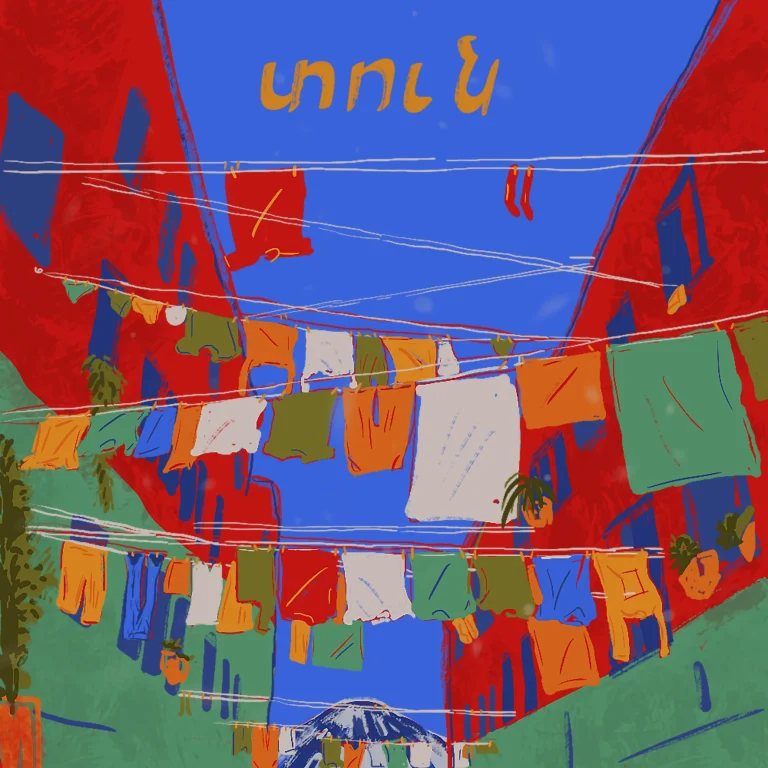
We’re thrilled to introduce Dankhaiaa Khovalyg, an independent journalist and decolonial activist from Tyva, creator of the insightful podcast and media project “говорит республика” (“republic speaking“).
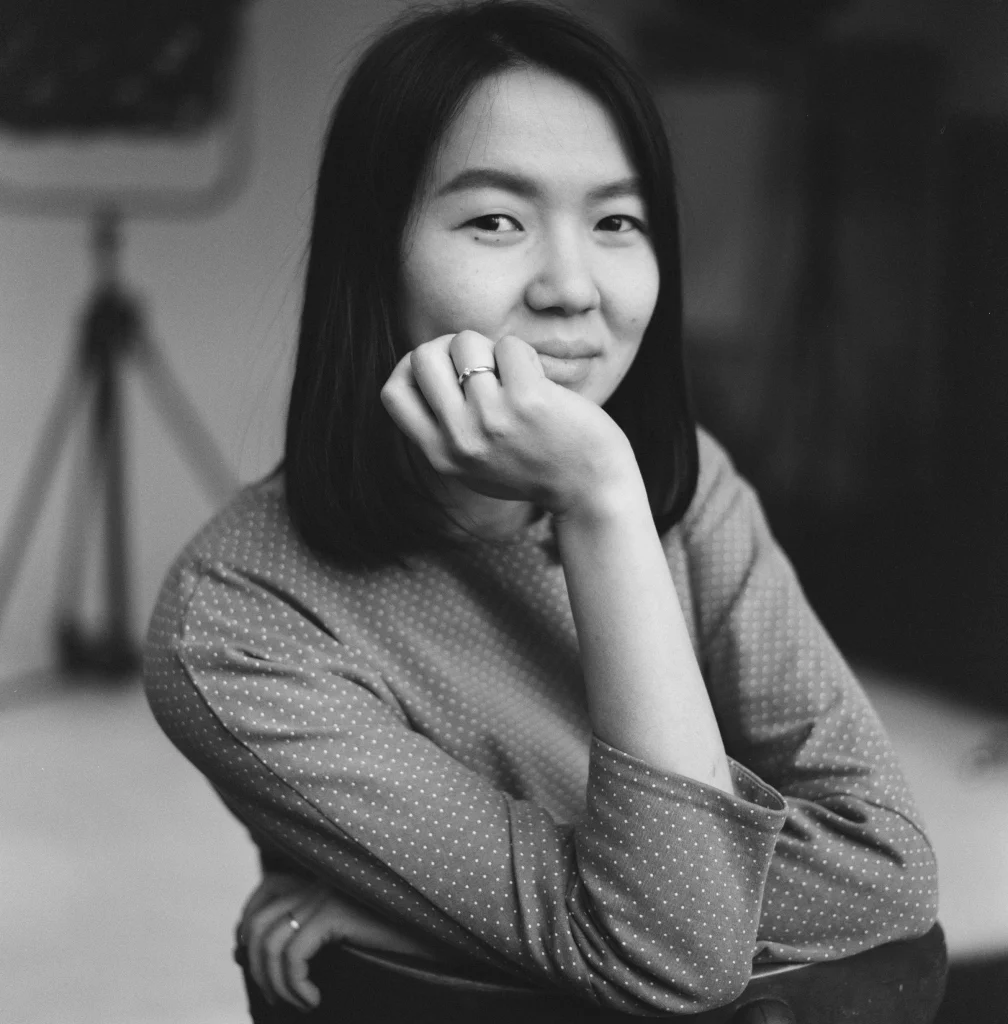
Dankhaiaa is committed to amplifying voices and narratives from Indigenous people of Russia, focusing on themes of decolonization, cultural identity, memory activism and social justice. Through her powerful journalism and advocacy, Dankhaiaa fosters critical dialogue and challenges colonial narratives.
“Structural inclusion in the media sphere begins with hiring Indigenous people into core teams, creating accessible pathways through targeted open calls, training, and paid mentorships, and rethinking internal processes to ensure accessibility and equity. What matters most is a genuine, long-term commitment — not a one-off gesture, but a deliberate effort to build meaningful inclusion that strengthens any team or community.”
— Dankhaiaa Khovalyg
Your podcast “говорит республика” powerfully centers decolonial narratives. Could you share a moment or story that has shaped your perspective on journalism and activism in Tyva and more broadly?
Throughout my adult life, I’ve encountered numerous media materials about Tuva — articles, podcasts, YouTube videos — often produced by well-known, professional, and respected journalists or media figures. And yet, almost without exception, these portrayals have left me with a deep sense of bitterness and sadness. Time and again, my republic and my people have been marginalized or reduced to stereotypes. That sadness and frustration eventually gave rise to anger — and, importantly, to a determination to act and to tell our stories differently.
However, this isn’t just about Tyva. Journalism in Russia remains deeply Moscow- and Russian-centric, entrenched in colonial logics. In this context, the most urgent and necessary step toward change is to reclaim the narrative — to speak in our own voices, and to do so clearly, confidently, and collectively.
This is precisely the intention behind the name of our podcast: “говорит республика” — “the republic speaks” – we speak for ourselves.
A turning point for me, both professionally and personally, came after we launched the podcast. It was a moment of recognition — of how questions of privilege, access to resources, and structural inequality shape who gets to be heard, and how. It became clear that solidarity cannot remain an abstract value. It must take material form — through shared resources, mutual learning, and active collaboration.
Many Indigenous communities in Russia, for example, do not have their own republics or even autonomous regions. Many grassroots initiatives led by Indigenous activists struggle to gain visibility, secure funding, or access the tools they need to support their communities sustainably.
In response, we regularly create free, accessible educational spaces — such as a course on podcasting for beginners, an online cinema club showcasing films from the republics and their directors, a co-writing circle, and more. We also make it a priority to amplify other projects and voices, especially those that remain underrepresented or deliberately excluded. To me, this is what solidarity looks like in practice: not only raising our own voices, but creating ecosystems of support in which we uplift one another.
What does meaningful participation of Indigenous peoples in media production look like to you — beyond performative visibility or tokenism?
When it comes to media, there’s much that can — and should — be done. Structural inclusion starts with staffing: hiring Indigenous people as part of core teams, issuing open calls that explicitly invite participants from underrepresented regions and offering training, mentorship, and paid internships to help build long-term capacity.
It also requires rethinking internal processes — from recruitment to editorial decision-making — to ensure they are accessible, transparent, and inclusive.
When it comes to thematic or special projects, Indigenous creators — whether individuals or collectives — should be engaged meaningfully in the production process, with fair and dignified compensation. At a minimum, they can be invited as consultants or to provide feedback on content, with appropriate compensation. Ideally, it means co-creating content, sharing ownership, and building ongoing partnerships.
Another powerful approach is to make long-term collaboration with Indigenous-led initiatives a strategic priority: to support their platforms, to co-publish stories, to run joint campaigns that amplify local struggles and celebrate Indigenous communities.
There are many possible approaches. What matters most is a sustained and principled commitment — not a one-off gesture, but a deliberate effort to foster genuine inclusion that strengthens any project, team, or community.