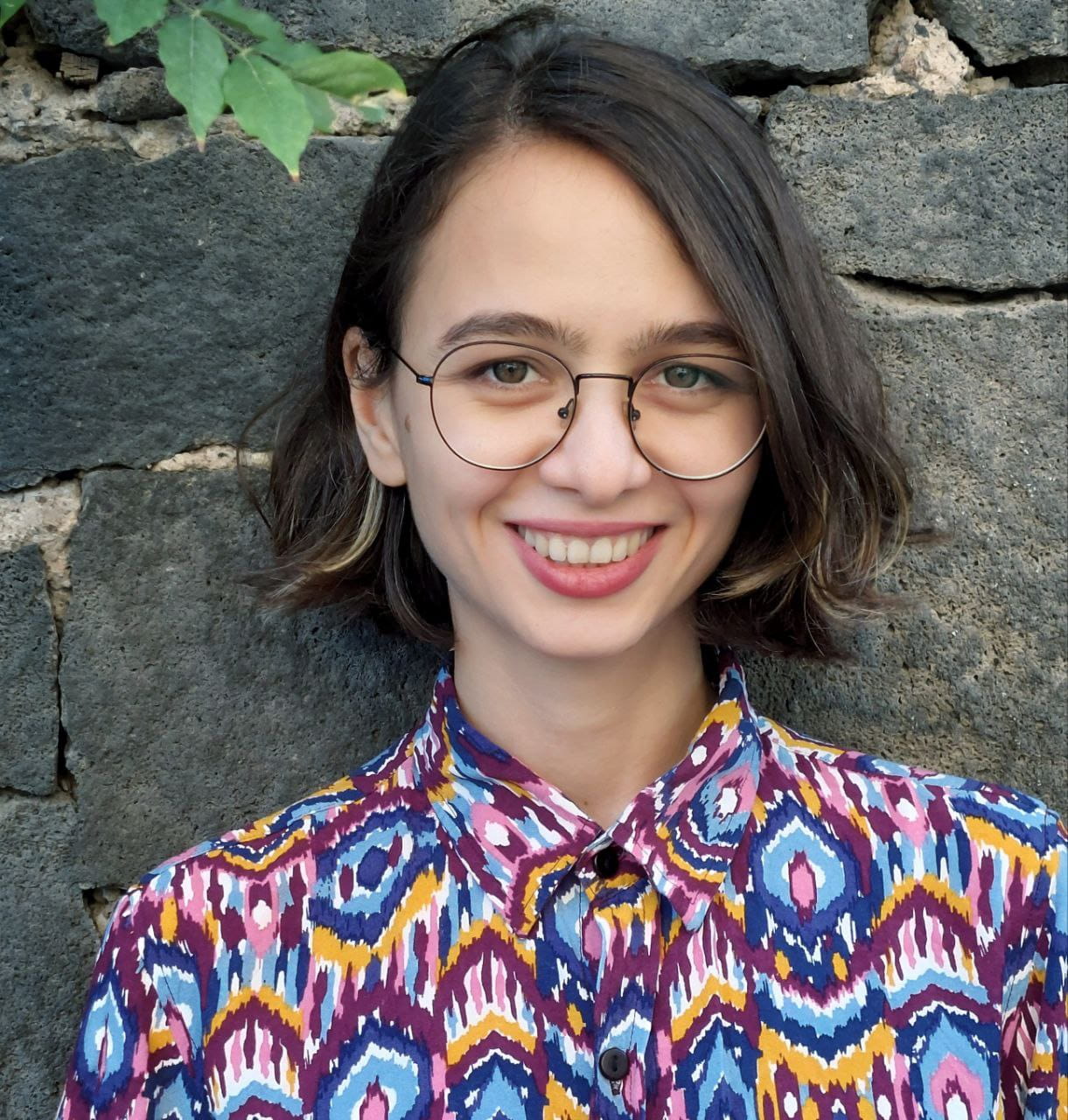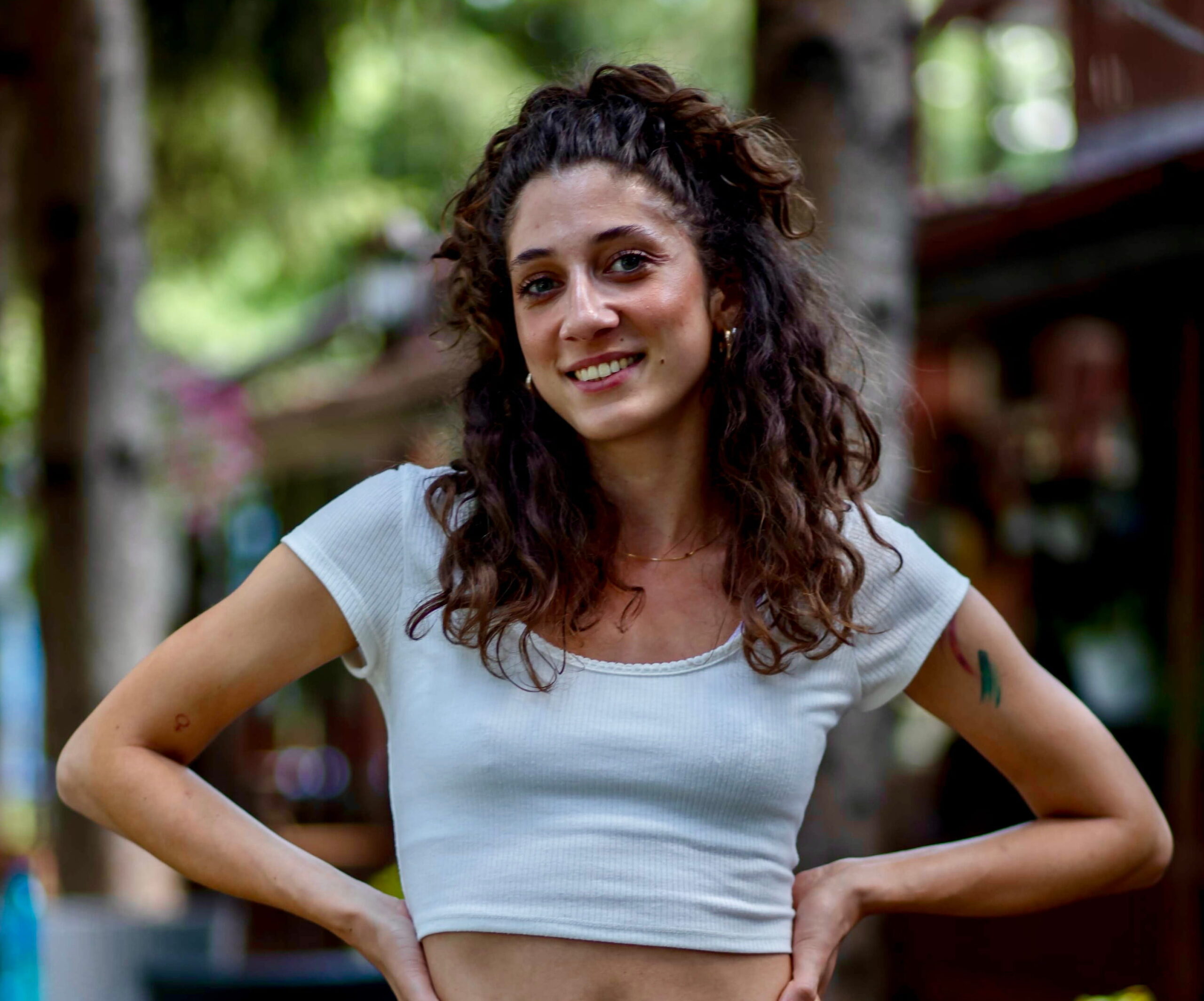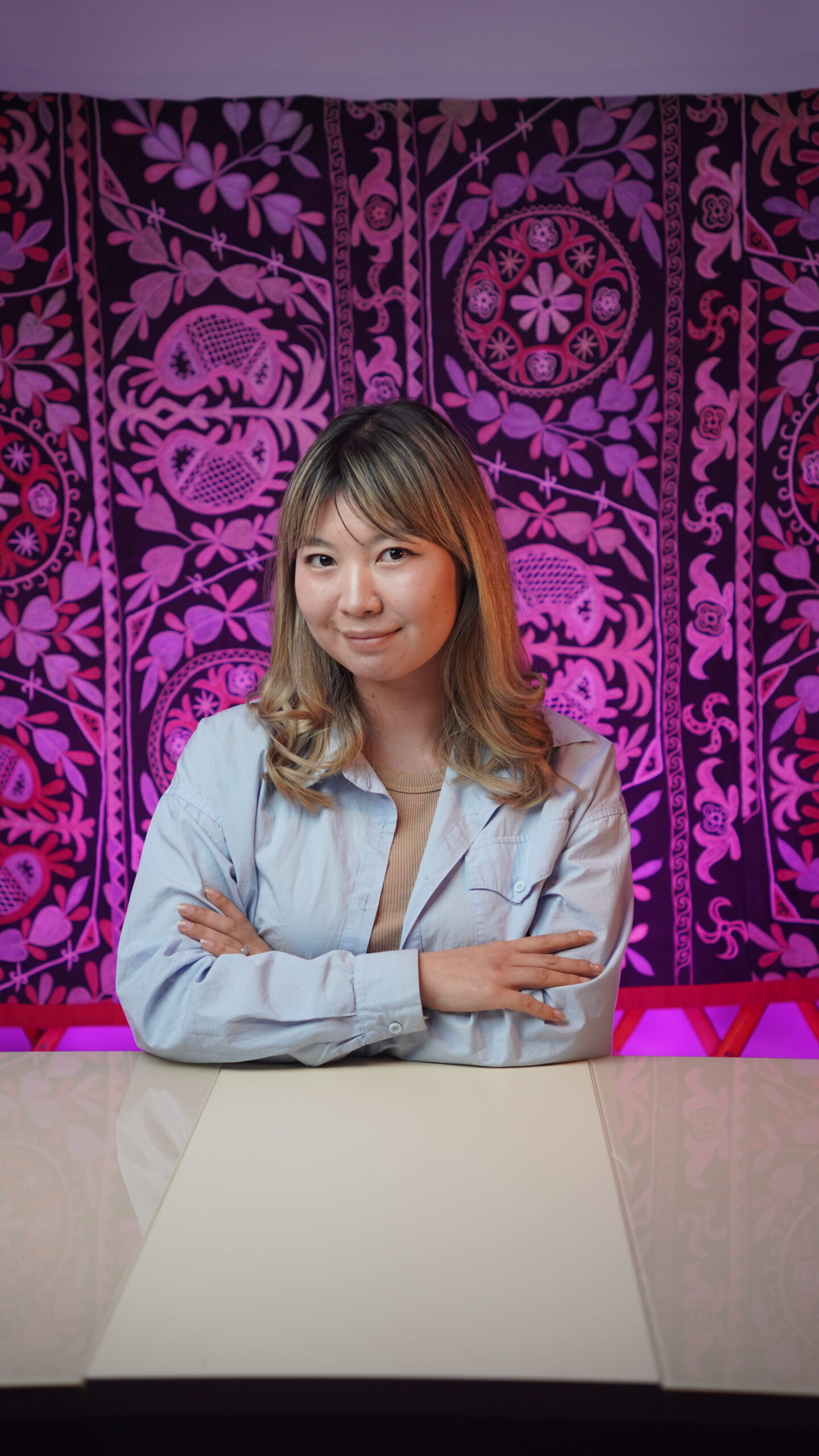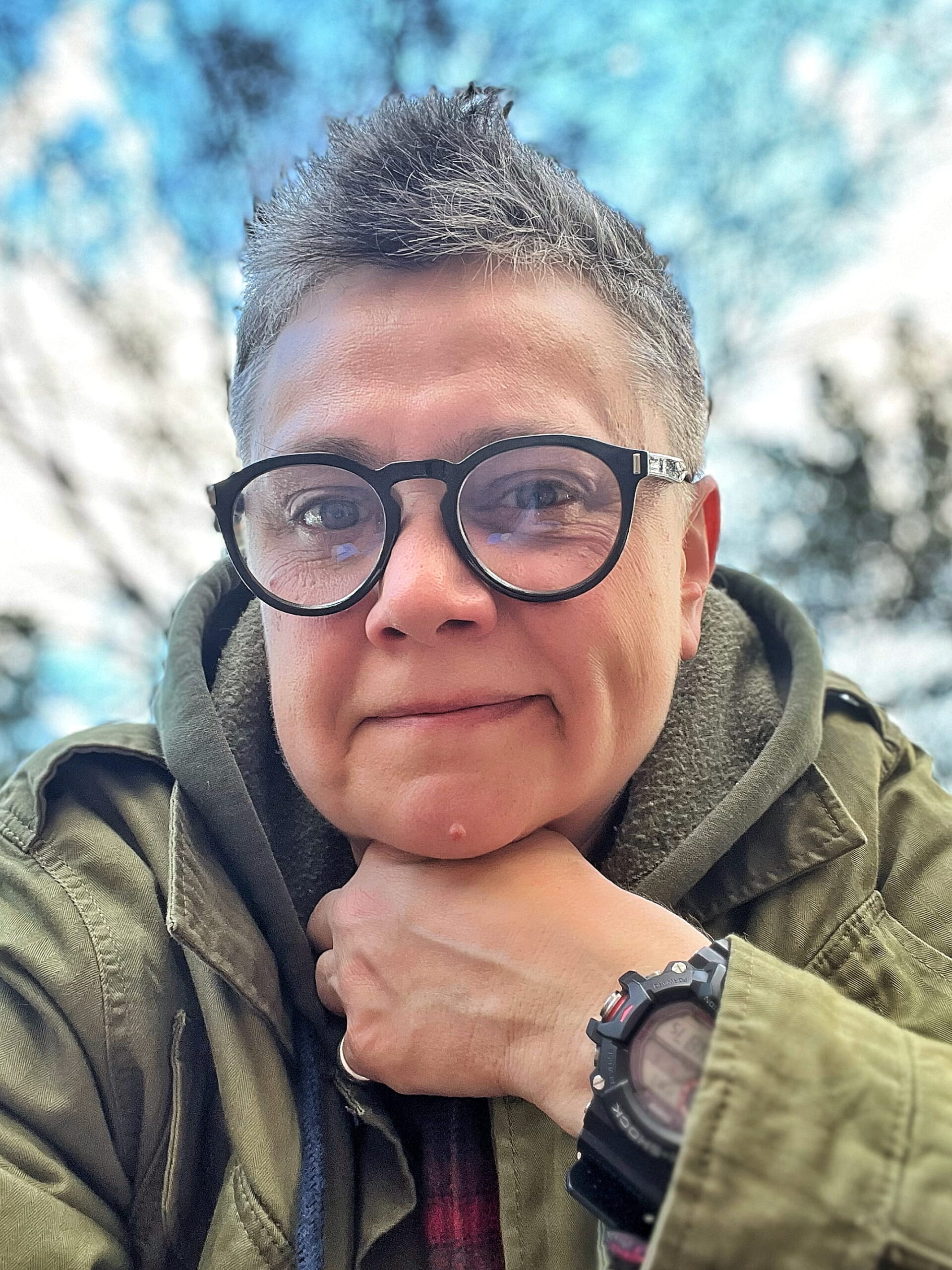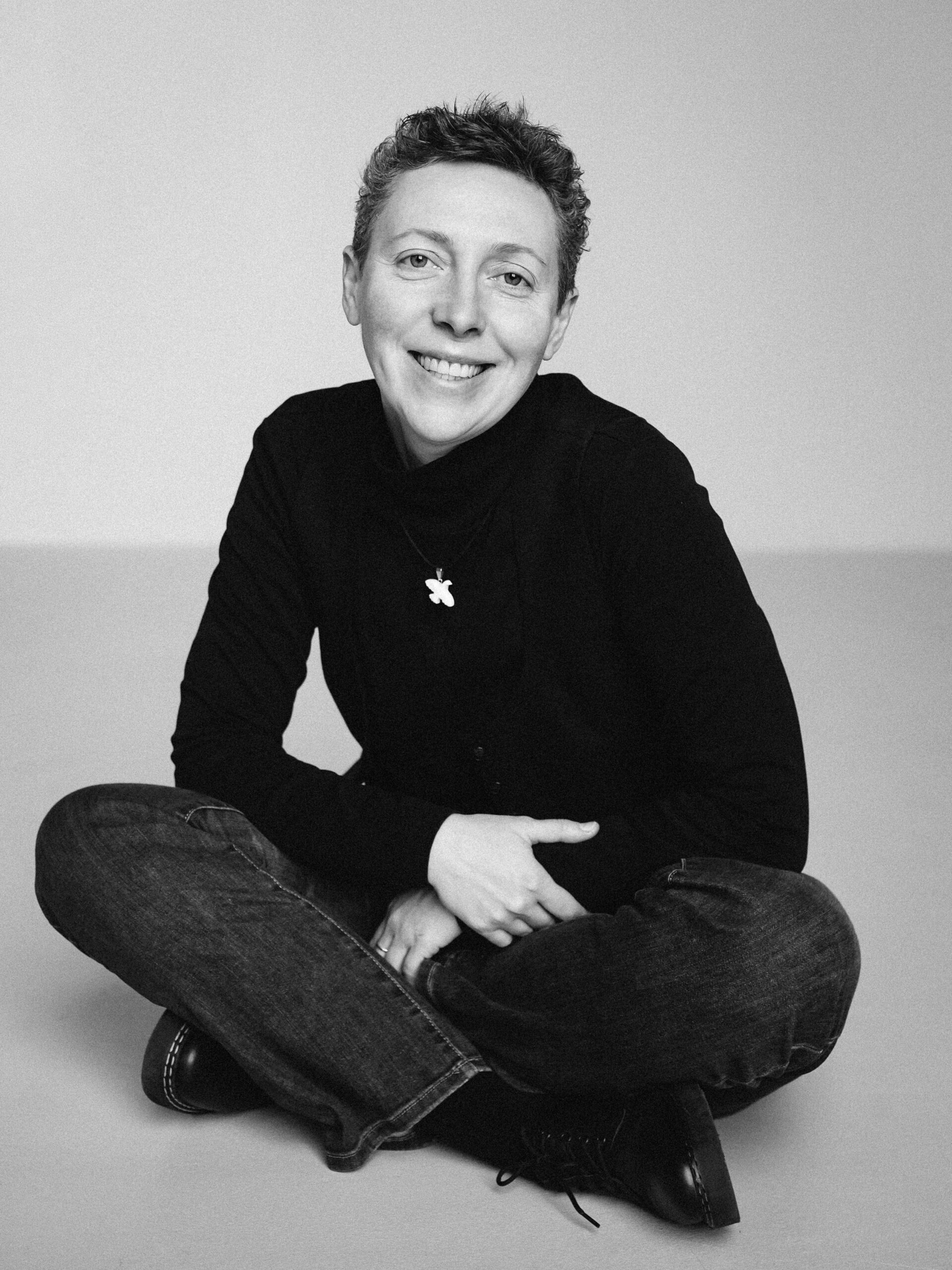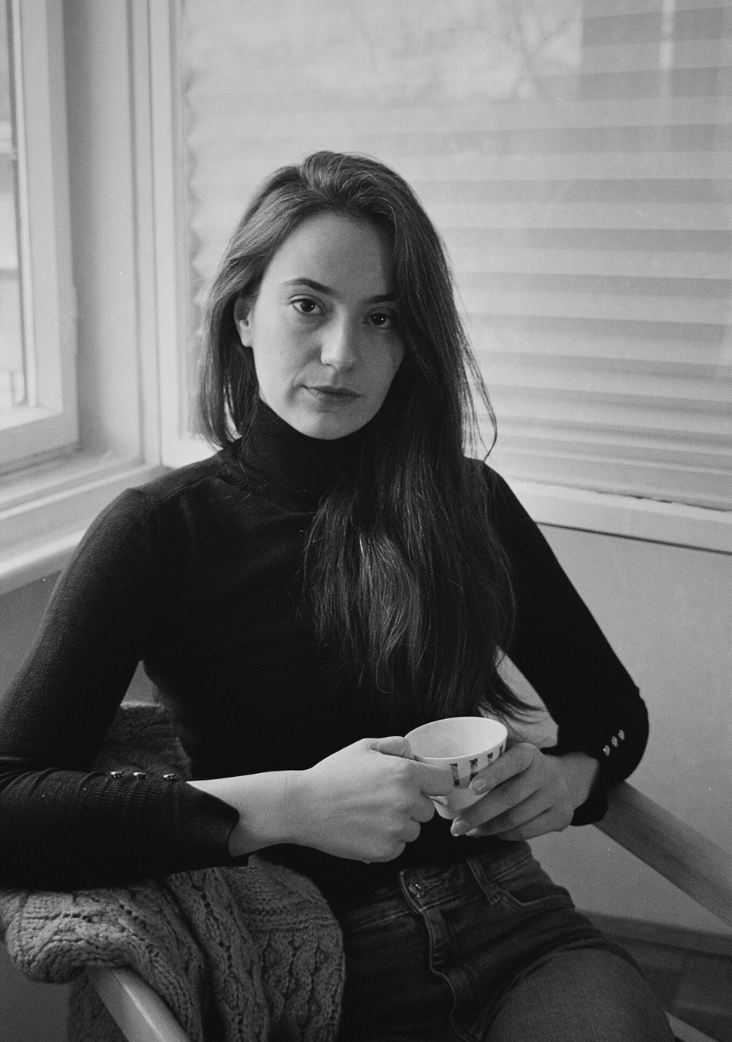
Our work is guided by a constellation of activists, advisors, and movement partners who shape our strategies and decision-making through participatory processes.

From its inception, Dalan Fund has embraced participatory, movement-guided decision-making, partnering with a constellation of advisory communities to ensure that our work is guided by the regional frontline activists´ community knowledge, power, and resilience.

In 2025-2026, Dalan Fund is accompanied by the Advisory Council, composed of six activists representing CEECCNA sub-regions and diverse movements. The Council serves as a movement accountability body and informs Dalan Fund´s strategic growth during the Pilot Period.

In 2023-2024, the fund was supported by eleven regional activists serving as a Founding Advisory Group (FAG). They played a pivotal role in shaping the vision, mission, Theory of Transformation, and identity of the fund, and co-built a solid foundation on which the Fund began to evolve.
As an activist-led multi-regional fund, Dalan Fund is committed to democratizing resource distribution practices and putting analysis of regional intersectional grassroots organizers at the center of the decision-making on where funding goes.
The Resource Distribution Committee (RDC) plays a key role in co-designing the Dalan Fund´s resource distribution mechanisms and holds decision-making power in selecting the Fund´s movement partners. Composed of 15 members, the committee members connect and weave local expertise and analysis, guiding the sub-regional funding priorities and the Fund´s Resource Distribution practice. To ensure that the power of decision-making is shared among representatives of movements and geographies that Dalan Fund works with and for, the role is rotational.
As Dalan Fund is committed to fostering resilience and the collective power of intersectional social justice organizers and movements in and for the regions, the RDC is composed of CEECCNA-based organizers, as well as activists from the regions in migration and diaspora. They bring knowledge, networks, and political guidance from feminist and gender justice movements to climate, racial, and disability rights justice organizing. Learn more about our sub-regional advisors:
Tony Lashden (they/them) is a queer feminist activist coming from Belarus. In addition to leading queer feminist movement in Belarus through direct organising and community mobilisation, Tony has been working in various capacities to resource social justice movements through global philanthropy for 10 years. They focus on supporting feminist and LGBTQI+ movements in Eastern Europe, the South Caucasus, and Central Asia. Tony served as an advisor for the CEECCNA regions at FRIDA Young Feminist Fund and has worked with Mama Cash, RFSL, the Swedish Federation for LGBTQI+ Rights, Civil Rights Defenders.
They are also a prolific writer and poet, exploring topics such as loss, queerness, and relationships with the land in their writing. Tony advocates for the rights of migrants, refugees, and forcibly displaced people, as well as for disability rights, decolonisation, anti-authoritarian resistance, support for women political prisoners, and resistance against anti-gender organsing.
Olha Boiko (she/her) is a facilitator, mentor, and organisational development expert with 10 years of experience working with civil society in Ukraine and across the CEECCNA region. She holds an MA in NGO Management from the Ukrainian Catholic University and has extensive experience in network coordination, fundraising, people management, and facilitating multicultural and multi-stakeholder dialogues.
From 2019 to 2025, Olha led the international network Climate Action Network Eastern Europe, Caucasus and Central Asia (CAN EECCA) and previously worked with the Ukrainian climate organisation Ecoaction, supporting campaigns, organisational development, and international advocacy. She is a co-author of the community-building guide “Hurtuimos’” (“Let’s Get Together”) and regularly works with organisations and leaders on values-based strategy, group dynamics, and community building. She is also an expert on organisational capacity assessment for the Philanthropy in Ukraine platform.
Olha believes the future is shaped by strong, interconnected communities and people acting on their values with trust and responsibility.
Steliana (she, her) is a civic activist and project coordinator with extensive experience in community engagement, gender justice, LGBTQI+ rights, and social impact programming. With a strong background in human rights and public participation, she has worked with grassroots groups, international donors, and civil society networks to promote democratic values, empower women and girls, the LGBTQI+ community, and strengthen local responses to gender-based violence. She is actively involved in movements that center feminist approaches to social justice, queer visibility, and inclusive community care as Feminist Movement in Moldova, LGBTQI+ Platform in Moldova, and Moldova for Peace Initiative. Steliana has moderated and contributed to projects with Moldox Association, Femei pentru Femei, and other regional initiatives focused on professional capacity-building, digital literacy, and civic participation in Moldova’s underserved regions. Outside of work, she enjoys writing, building safe and creative spaces for queer communities, and exploring public culture and intersectional feminism in Eastern Europe, promoting and empowering feminist and female artists.
Magda Fabianczyk (she/her) is an artist, activist, organizer, and director and co-founder of POMOC, a grassroots political home for Eastern European migrants living in the UK to organize together towards dignity, power, and justice. Magda teaches at UAL Central Saint Martins and is a founding member of the Polish feminist activist groups Dziewuchy London and Polonia Głosuje. Trained as a narrative mediator, she uses art-based methodologies to connect and collectivize people and, in turn, challenge social hierarchies and discrimination. She organized with the Roma community in Bytom and Chechnyan communities in Lublin and was awarded numerous socially engaged art residencies, including at VASL in Pakistan, Banglanatak.com in India, and the Arts Council/Gasworks residency in Mauritius.
Florentina-Alexandra Manea (she/her) is a Roma feminist, political scientist, and self-described professional troublemaker whose work exists at the intersection of activism, policy, and care. She currently serves as President & lead of communications at the Feminist Collective of Romani Gender Experts, a transnational network reshaping the way power and voice are held within Roma and feminist movements. She also worked as a human rights monitor with the European Roma Rights Centre, where she documented systemic abuses and advocated for institutional accountability.
Her activism began in local communities—mentoring Roma girls, co-creating feminist spaces, and organizing alongside women who taught her everything about survival, love, and resistance. From grassroots mobilization to international advocacy, Florentina has consistently used every platform available to speak uncomfortable truths and challenge systems never designed for Roma communities.
She sees herself as a domino—part of a long line of Roma women who have risked everything to speak truth to power. She acknowledges those who fell before her and hopes her voice paves the way for others to rise. Her work is rooted in decolonial thinking and guided by community-led, intersectional approaches that center the leadership and voices of women and gender-diverse people. She believes in building communities that are louder than fear and in practicing justice not as a concept, but as a daily commitment.
Beyond her professional roles, Florentina finds grounding in travel, clarity in writing, and purpose in dreaming of futures where Roma girls are safe, seen, and sovereign.
Zemfira Gogui (she/her) is a human rights professional from the Karachay-Cherkess Republic, North Caucasus. She worked with the Human Rights Measurement Initiative, ECOM.ngo and currently she is the External Relations and Communications Specialist of a local North-Caucasus women’s rights organization. She is experienced in global human rights mechanisms, building solidarity networks, and promoting awareness and action on human rights issues in the North Caucasus and EECA region. She’s been involved in indigenization efforts, co-organizing events to investigate and challenge colonial legacies and power structures that perpetuate inequality and marginalization in the North Caucasus. She is an advocate for indigenous rights, cultural preservation, and the recognition of historical injustices. Zemfira is deeply passionate about the rich cultural heritage of CEECA. Cinema, art, and traditional folk music from these regions hold a special place in her heart, particularly those artistic expressions that were previously hidden or undervalued by colonial forces.
Nadira Masiumova is a human rights activist and anti-discrimination advocate with eight years of experience in queer organizing in Kyrgyzstan. She co-organized women’s rights marches and coordinated the Coalition for Equality, strengthening collective advocacy efforts across the country.
She is deeply connected to feminist, gender, and racial justice communities and advocates for the rights to health, peaceful assembly, and freedom of association. She is also the founder of Feministan, a Central Asian initiative that amplifies the visibility and voices of grassroots activists in the region. In addition to her activism, she is a young writer and performer.
Get to Know Our Community: Nadira Masiumova
Sasha(she/her) is a Buryat activist working in environmental science and climate policies. She centers her work on the intersections of environmental justice and Indigenous rights.
Dilrabo Samadova(She, Her) is a lawyer, human rights defender and mentor from Tajikistan. For almost 20 years, she has been helping people to protect their rights and build a society without fear and violence.
Dilrabo began her human rights work as a student. She headed the Amparo Young Lawyers Association, which fought against abuses in the army and forced child labor. After Amparo was shut down under pressure from the authorities, she founded the Office of Civil Freedoms, a team that today helps people affected by torture and human rights violations and supports young activists across the country.
Dilrabo is known as one of the key figures in Tajikistan’s human rights movement. Her contributions have been recognized with national and international awards, including the Martin Ennals Award.
Today she lives in Khujand, works as a consultant and security trainer for human rights defenders, mentors initiative groups of young people, and continues to believe in the power of solidarity and creativity.
Aya (she/they) is a student, visual artist, member and co-founder of maqaal collective, a self-organized feminist collective from Central Asia. She is currently pursuing her Master’s Degree at the Central European University in Vienna.
As a member of Maqaal Collective, she is involved in many fronts – communication, curation, and organization. Among some proud highlights is the collective’s first women’s film festival, Janub Shamoli, organized in Samarkand, August 2024; translation of Audre Lorde’s essay Poetry is not a Luxury into the Uzbek language; and continuous collaboration with initiatives and collectives across the globe.
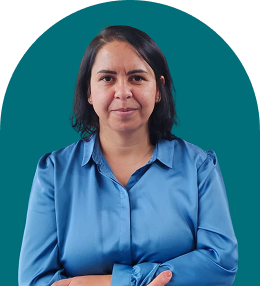


Rooted in the lived experiences of Romani women, trans, intersex, and gender-diverse people, the Romani Program’s strategies are co-designed in collaboration with a dedicated committee composed of five Romani organizers. The Committee co-shapes and collectively selects movement partners.
The Romani Resource Distribution Committee (Romani RDC) plays a key role in co-designing the Dalan Fund’s Romani Program and holds decision-making power in selecting movement partners that advance intersectional Romani organizing across Central Europe.
The Romani RDC comprises five Romani women activists from Hungary, Poland, Romania, Slovakia, and Serbia. The committee members bring deep knowledge, lived experience, and local political analysis to guide the Fund’s strategic priorities and resource distribution practices within Romani communities.
As a regional fund committed to redistributing resources towards historically excluded communities, Dalan Fund sees the Romani RDC as essential in centering the self-determination and leadership of Romani organizers. The role of the committee is rotational, ensuring that decision-making remains accountable to the diverse and shifting realities of Romani movements and struggles.
Simona Torotcoi is a Romani scholar and activist from Romania. She is currently a tutor at the Roma Graduate Preparation Program at Central European University (CEU) and a former research fellow at ReThink Central Eastern Europe, a program of the German Marshall Fund of the United States. She earned her PhD in 2020 from the CEU Doctoral School of Political Science, Public Policy, and International Relations, specializing in education policy.
Simona has long collaborated with Roma civil society organizations such as the Roma Education Fund, ERGO Network, and Phiren Amenca, contributing research on a wide range of issues affecting Roma children and youth. Her work has addressed the effectiveness of affirmative action programs, experiences of discrimination, unemployment, political participation, representation in school curricula, and, more recently, gender inequalities within Roma communities.
She also serves as a rights expert for the Global Forum of Communities Discriminated on Work and Descent (GFoD CDWD), representing ERGO Network, where she contributes to global advocacy efforts towards a UN Resolution addressing work- and descent-based discrimination.
Through her academic and advocacy work, Simona brings critical attention to structural inequalities affecting Roma communities, while advancing intersectional and justice-oriented approaches within both policy and global human rights arenas.
Sonia Styrkacz is a psychologist, researcher, and educator specializing in clinical psychology and crisis intervention. She is currently in the final stages of her doctoral work, pursuing an open PhD track in pedagogy at the University of Silesia, while also preparing a dissertation in psychology at the University of Warsaw.
She has extensive experience providing psychological support in public institutions and NGOs, working with children, adolescents, and adults, including individuals with refugee backgrounds and Roma communities. Clinically, she specializes in adult diagnosis and cognitive-behavioral therapy (CBT) in outpatient settings.
As a researcher, she has conducted studies for UNICEF Poland, as well as for governmental and academic institutions. Her work focuses on qualitative approaches to education, mental health, human rights, and the intersections of trauma, identity, and minority experiences. Drawing from her insider perspective within Roma communities, she bridges academic analysis with lived cultural knowledge, while critically reflecting on NGO practices and community dynamics.
She is particularly engaged in decolonial academic discourses and the amplification of women’s voices in research, advocating for inclusive and reflexive methodologies. In addition to her research, Sonia teaches and develops curricula in psychology and pedagogy, with a focus on clinical and forensic psychology, emotional education, and trauma-informed approaches.
Vera Lacková is a Romani film director and producer, born in Slovakia and based in Vienna, Austria. She is the founder of the Czech-Slovak production company Media Voice. Her documentary debut, How I Became a Partisan (2021), which traces the story of forgotten Roma partisans based on her great-grandfather’s, Ján Lacko’s life story premiered at the goEast Film Festival in Wiesbaden and received the Prize for Cultural Diversity by the German Federal Foreign Office. The film was developed in the Ex Oriente Film Workshop, pitched at East Doc Platform 2020, and is distributed through the East Silver Caravan.
In her broader body of work, Vera consistently centers Roma perspectives, histories, and resistance, including in her recent documentary O Baripen (2023), which explores the legacy of pioneering Roma writer Elena Lacková. She was selected for the CIRCLE Women Doc Accelerator in 2022 and has been a mentee in the FC Gloria mentoring programme in Austria. In recognition of her contributions to European cinema, she was invited to join the European Film Academy in 2023.
Through both her creative and activist work, Vera Lacková brings a critical and insider perspective to the political and cultural struggles of Roma communities across Europe.
Đuli Ramadani is a Romani feminist with experience in community development, documentary filmmaking, research, and teaching. She is committed to making marginalized voices heard, drawing on her strong sense of justice, empathy, and a diverse skill set. With extensive experience in both local and international organizations, her work spans urban inequalities, environmental injustice, and women’s rights.
Her research focuses on urban poverty and marginalized neighborhoods, exploring the intersections of race, gender, and space. She has conducted ethnographic fieldwork in an informal Roma settlement in Serbia, centering Romani women’s lived experiences in these environments. To reach broader audiences, she directed a short documentary, Veliki Rit bb, addressing the issue of residence registration for internally displaced Roma from Kosovo.
She completed a traineeship at the European Union Agency for Fundamental Rights in Vienna, within the Equality, Roma, and Social Rights Unit, and taught a semester-long course on “History of the World since 1300” at Central European University, where she earned her MA in Sociology and Social Anthropology.
Tímea has worked in primary education for over seven years and is currently a PhD researcher at the University of Szeged, where her academic work focuses on inclusion, equity, and social justice in schools. Her professional and personal commitment to equal access to education is reflected in her long-standing engagement with Roma communities, both as a researcher and activist. She is actively involved in several civil and professional initiatives that aim to reduce educational inequalities and support the development of inclusive learning environments.
At the Romaversitas Foundation, a Romani women-led educational organization, she contributed to a research project documenting the lived experiences and challenges of Romani refugees fleeing to Hungary, centering first-hand narratives and knowledge production within the community. In parallel, she has been deeply engaged in the Roma women’s movement and in the field of sexual and reproductive health and rights (SRHR).
Currently, Tímea is a key contributor to the MARA program, jointly coordinated by Romaversitas Foundation and EMMA Association, which focuses on strengthening Romani women’s community-based activism in the field of SRHR. As part of the program’s preparatory phase, she authored a research paper examining institutional gaps in Roma women’s access to SRHR, published in a study volume created to support the program’s foundation.
Her work weaves together education, research, and activism, with a deep and ongoing commitment to centering the voices, rights, and leadership of Romani women in both academic and community contexts.