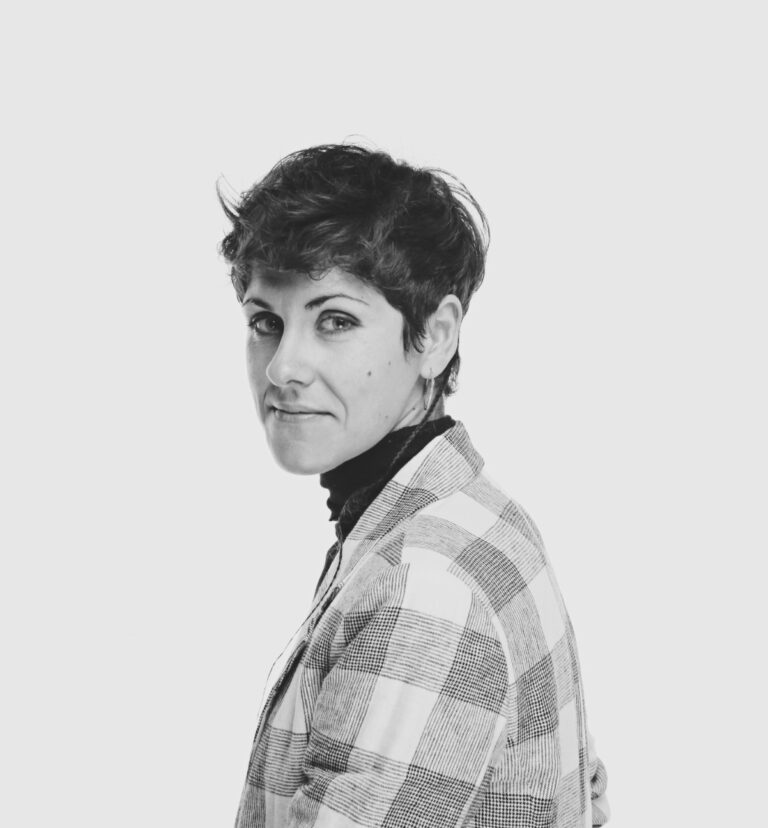
We’re thrilled to introduce Olha Boiko, a dedicated climate justice activist and member of our Participatory Decision-Making Committee (PDMC)! Based in Kyiv, Ukraine, Olha is a network coordinator at CAN EECCA, where she has been advancing climate action in various capacities for over nine years.
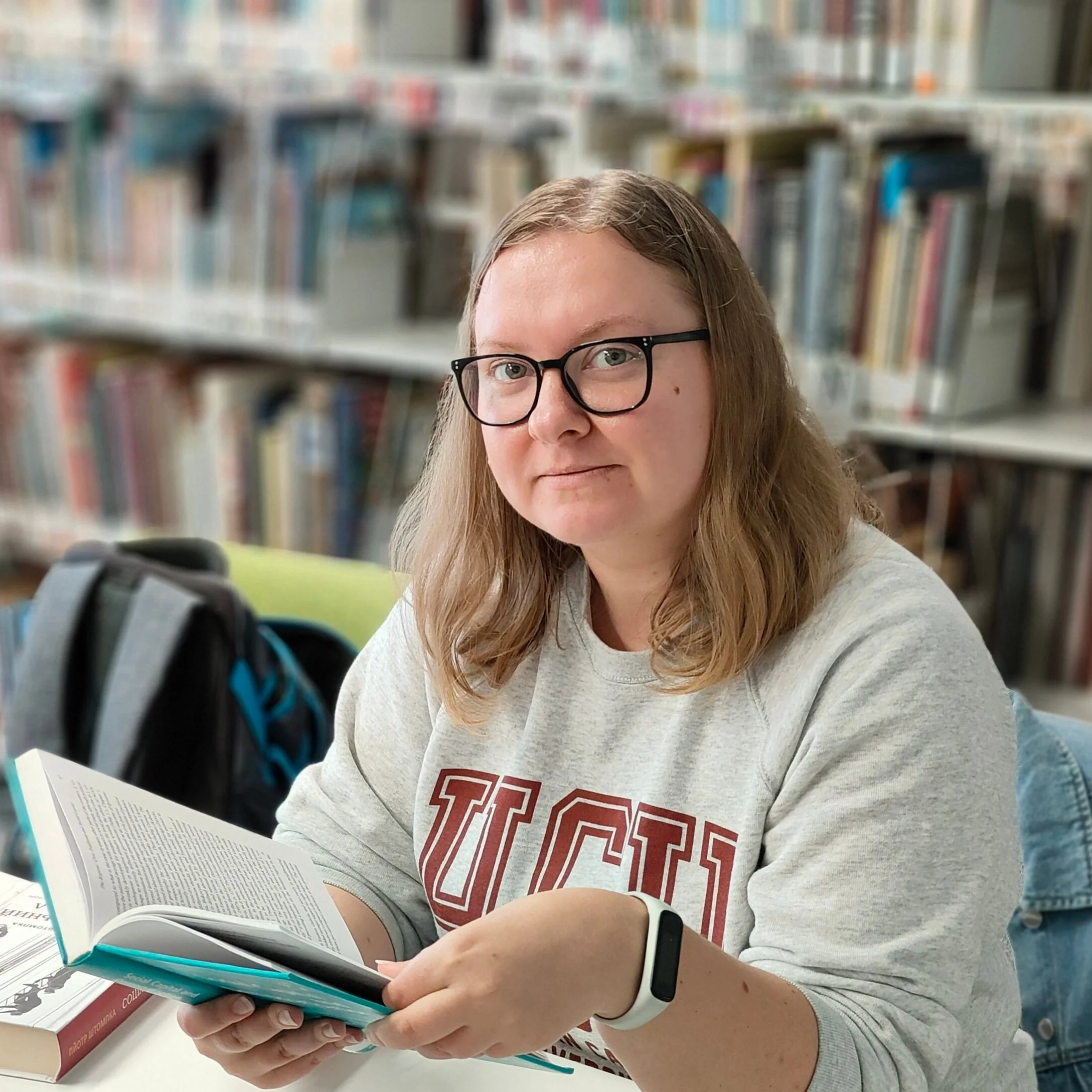
From co-coordinating the largest Climate March in Kyiv to representing civil society at five UN climate conferences (COPs), Olha’s work spans organizing, communication, and facilitation.She has collaborated with numerous environmental organizations in Ukraine, led climate education initiatives since 2015, and served on the board of the Ukrainian Climate Network. Currently, she researches community building, civil society in the EECCA region, and the intersection of climate crises and decoloniality — bringing these perspectives into movement-led resource distribution for Central and Eastern Europe, the Caucasus, North and Central Asia (CEECCNA) as part of the Dalan Fund’s PDMC.
“When local knowledge and lived experience are ignored, when data is collected and analyzed in an extractivist way, when short-term political interests override long-term planning, we end up with policies that fail to address the reality of the climate crisis. This is why, beyond increasing financial resources for the regions, we need to advocate and build mechanisms for horizontal decision-making and meaningful civic participation.”
— Olha Boiko
Olha, what led you to activism? Was there a moment that shaped your path?
I always say it wasn’t just one moment — it was a series of events that unfolded over a short period of time.
In my first year of university, Maidan happened. It was only a 30-minute metro ride from my home, so I went there often. At the time, I didn’t fully grasp the significance of my presence, but looking back, I realize I was part of a broader awakening — a wave of civic consciousness that emerged from the revolution. Many grassroots initiatives and NGOs were born at that moment, and in 2014 it seemed, a whole generation began identifying as activists. It was the first time I truly understood the power of collective action, the energy of standing side by side with people who shared my values.
Then, in early 2015, I read Eating Animals by Jonathan Safran Foer. That book shook me. It opened my eyes to the ethical and environmental devastation caused by industrial farming — things I had never considered before. Suddenly, I faced a choice: ignore what I had learned or act on it. That decision led me down a path of questioning everything — sustainability, resource consumption, climate impact. I started volunteering and was introduced to Ukraine’s environmental movement, the first structured activist space I engaged with beyond the civic mobilization of Maidan. Unlike Maidan, where I was a participant swept up in a historic moment, this experience gave me a deeper sense of engagement. I learned about facilitation, organizing, and leadership. Most importantly, I found a community — people who treated each other with respect and lived by values that resonated deeply with me.
Joining the National Ecological Center of Ukraine at that time was a turning point. It connected me with so many people who would later become my colleagues, mentors, and closest allies. I attended climate camps, joined my first climate march, and even participated in COP21 in Paris. These experiences grounded me in the movement — not just in Ukraine but on a global scale. Meeting activists of different generations, from various movements and contexts, showed me that the climate crisis wasn’t just an abstract issue; it was urgent, it was real, and it needed all of us.
What are the central issues driving your work and activism in recent years?
In recent years, the fight has increasingly been about sustaining and strengthening civil society in the CEECCNA regions. But at its core, it’s always been about creating societies that are not just surviving, but thriving — with ambitious climate policies that can lead us to climate neutrality by 2050.
For the countries in our regions, this isn’t just about policy on paper — it requires:
- Transforming outdated energy infrastructure
- Building new geopolitical alliances
- Strengthening civil society organizations as key actors in securing a just and sustainable future
Ironically, the very people who have the vision and skills to push for these solutions are being repressed, silenced, and even forced out of their countries — while at the same time, those countries are experiencing the direct consequences of the climate crisis. The outdated Soviet-era energy infrastructure in many of these countries is deteriorating, while external climate threats — glacier melt, droughts, food insecurity, extreme rainfall — intensify.
At the same time, activists, researchers, organizers and local communities — those best positioned to help — are losing access to the tools they need to take action. It’s both irrational and dangerous. Our work is to make sure that those who have the knowledge and ability to build solutions are free and resourced to do so — contributing to a future that is sustainable, secure, and just.
What drew you to join the Participatory Decision-Making Committee at Dalan Fund, and how do you think participatory decision-making fits into organizing in CEECCNA regions?
The participatory approach has always been close to my heart. I don’t believe in rigid, top-down decision-making structures. Sure, centralized decisions can be faster, but they rarely lead to long-term, sustainable change — especially when we’re talking about the climate crisis, where adaptability, local knowledge, and diverse perspectives are essential. A single leader at the top will never have the full picture. But when decisions are shaped by those directly impacted, they are more grounded in reality, more effective, and more resilient.
When local knowledge and lived experience are ignored, when data is collected and analyzed in an extractivist way, when short-term political interests override long-term planning, we end up with policies that fail to address the reality of the climate crisis. This is why, beyond increasing financial resources for the regions, we need to advocate and build mechanisms for horizontal decision-making and meaningful civic participation.
Being part of the Dalan Fund’s Participatory Decision-Making Committee is my first official experience with a structured participatory grantmaking model, but the principles behind it have guided my activism for years. That’s why the Dalan Fund’s mission resonates so deeply with me.
Organizing in CEECCNA regions is challenging, especially with the ongoing war in Ukraine and the political pressure many movements face. What keeps you going?
That’s a great question — one I ask myself often. And I think many of us do. It’s fascinating to hear what keeps different activists going.
For me, it’s the community. The organizers, community leaders, and young activists who refuse to give up, even when everything around them is pushing them to stop. I’ve met so many people who, despite repression and shrinking civic space, still find ways to serve their communities and bring positive social change. Their resilience is what inspires me. I do find hope in the growing recognition of our regions’ role in global climate discussions. More and more, international allies understand that without strong civil society movements in CEECCNA regions, the global fight for climate justice is incomplete.
At the same time, I know that the work we do today has a much bigger purpose. Strengthening civil society in CEECCNA regions isn’t just about climate action — it’s also about making our countries democratic, and with a roadmap for an equitable and sustainable future. Because without that, we will always be forced to react to crises instead of building long-term solutions. The attempt of modern Russia to keep reclaiming these regions harms every single movement in CEECCNA regions, regardless of the cause, it drains resources and limits strategic action. I don’t think we stand a chance at building a just and secure future in the regions without addressing this unrecognized empire, envisioning how the world will look when its power diminishes, and working toward decentralization.
The work we do today — building networks, redistributing resources, fostering participatory decision-making — lays the foundation for a more just and sustainable future. And that brings meaning and gives me energy to continue.