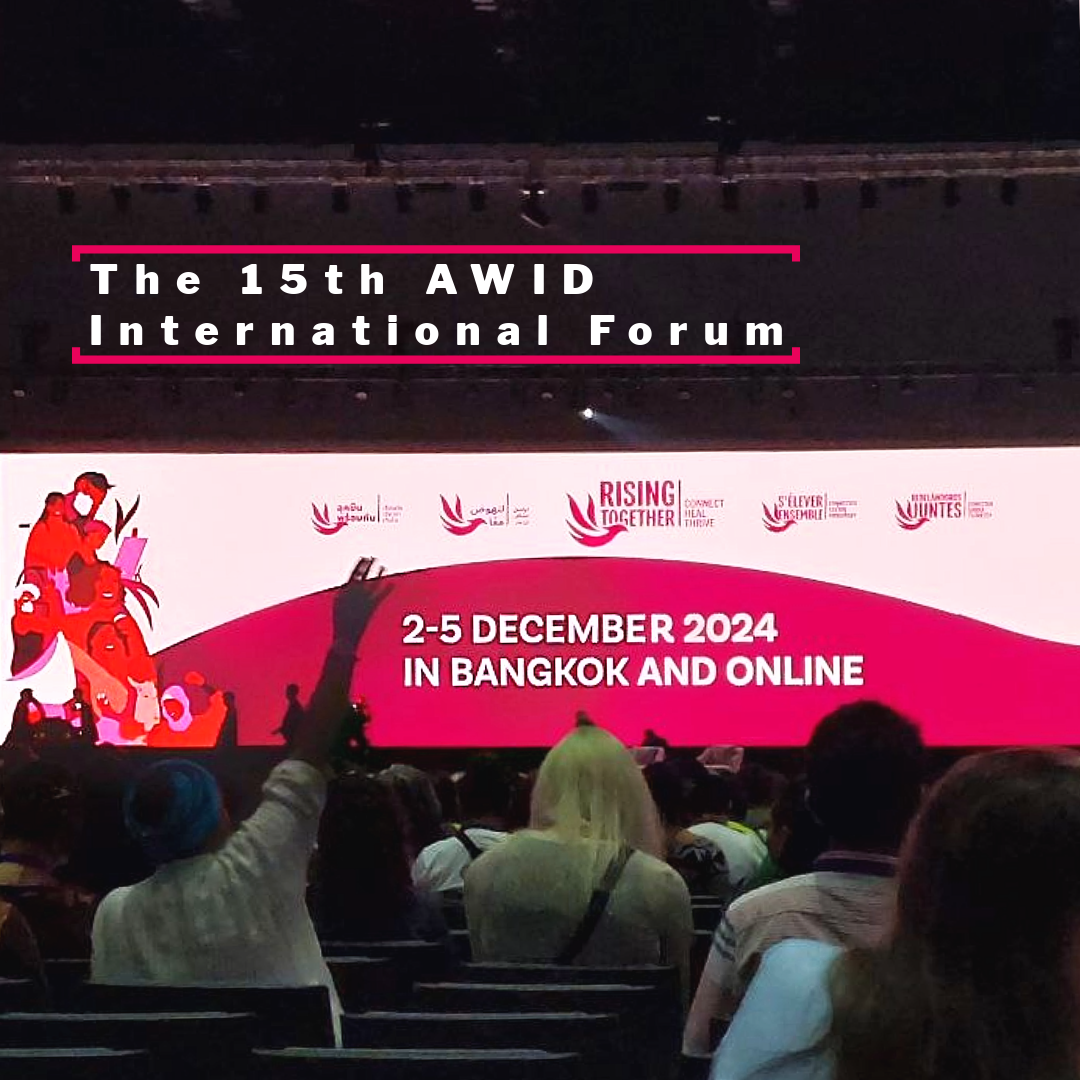
Held in Bangkok, Thailand, in December 2024, the AWID International Forum — convened by the Association for Women’s Rights in Development (AWID), a global feminist organization dedicated to advancing gender justice and women’s rights – is one of the biggest global feminist gatherings. Bringing together activists, funders, academics, healers, artists, community workers, and policymakers, the Forum is a space for collective learning, cross-movement strategizing, and building solidarity across struggles and geographies.
For us at Dalan Fund, the Forum provided an invaluable opportunity to reconnect with our partners and engage in critical political conversations. Amidst global uncertainty it offered a space to pause, reflect, and strategize on navigating shifting realities.
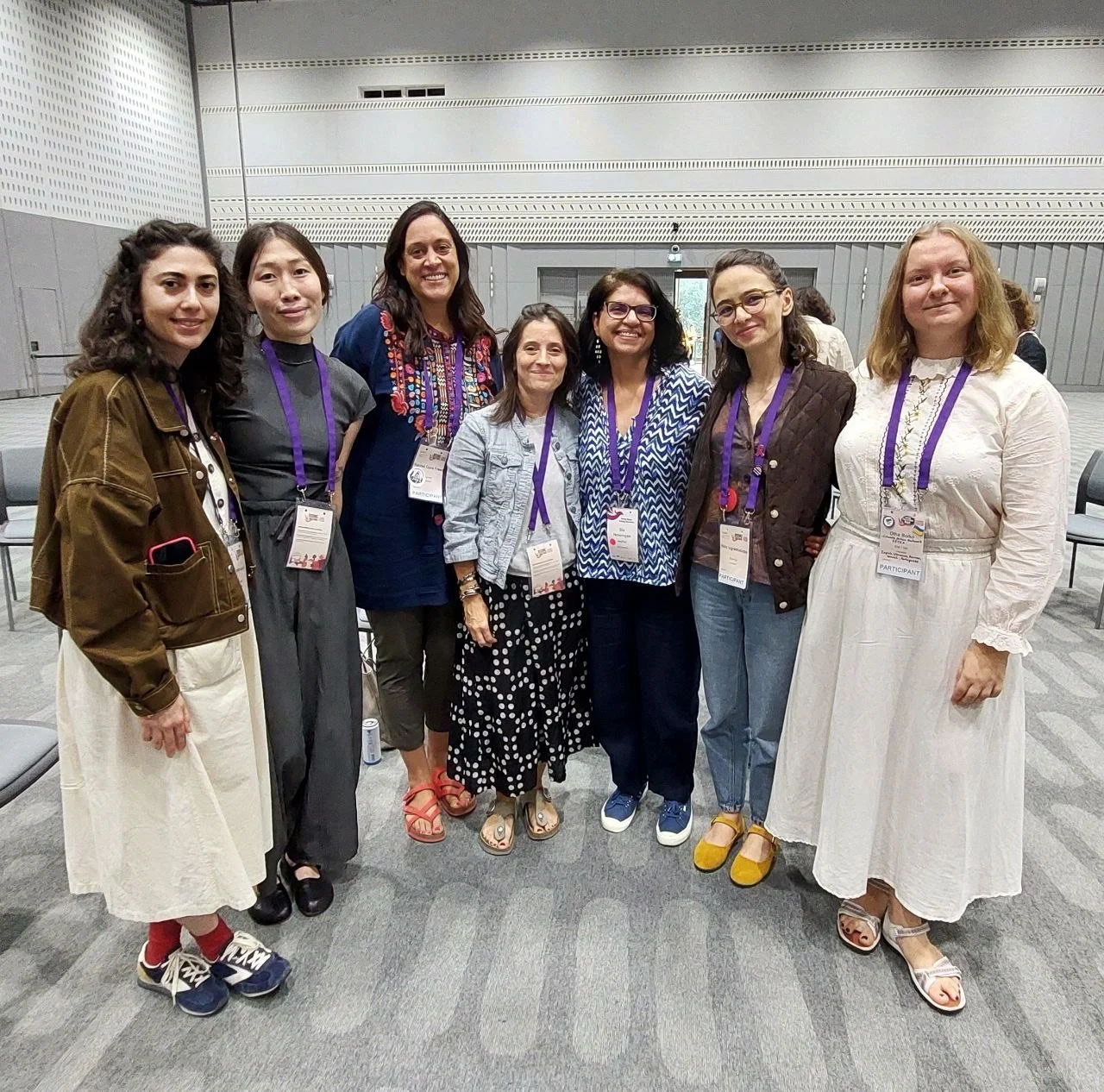
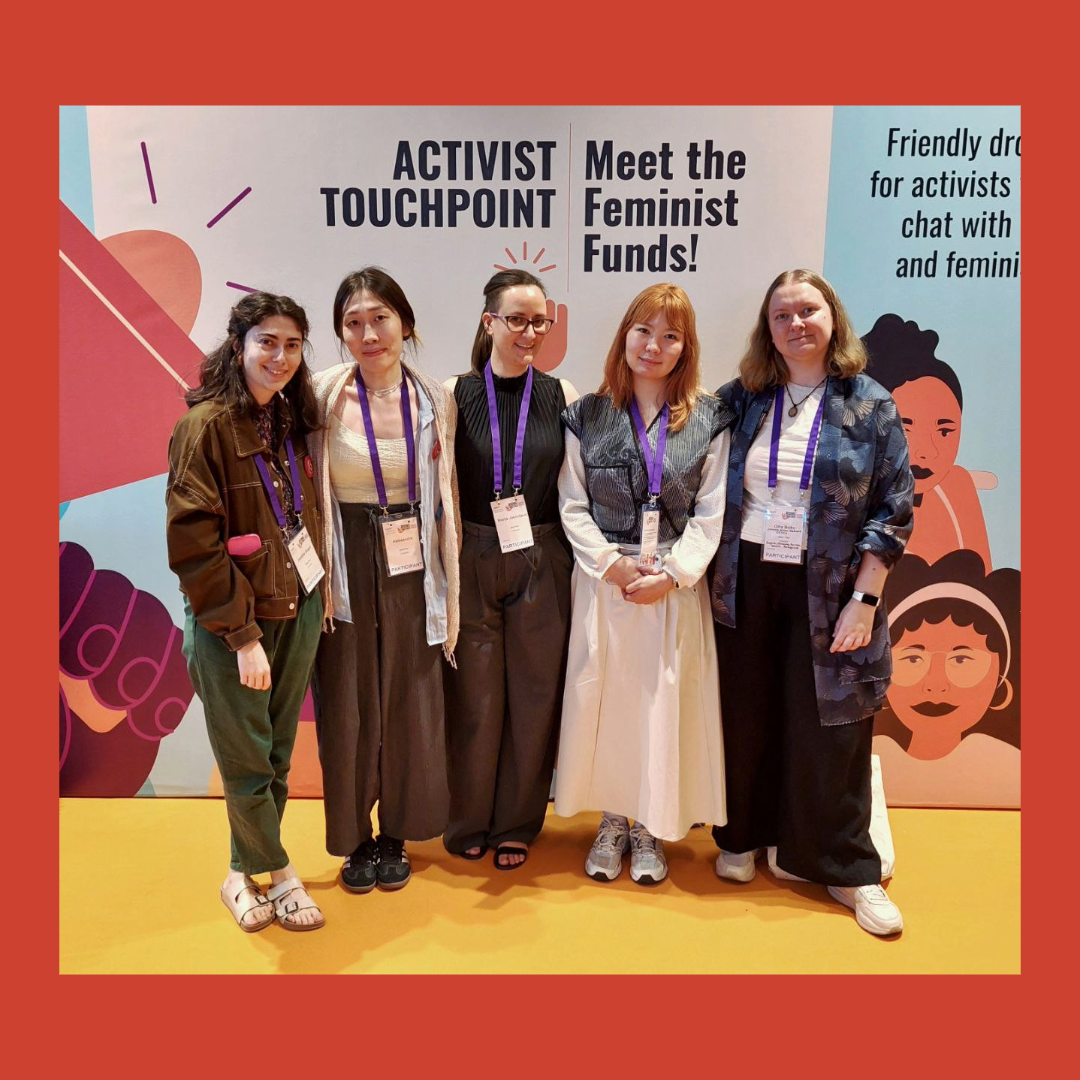
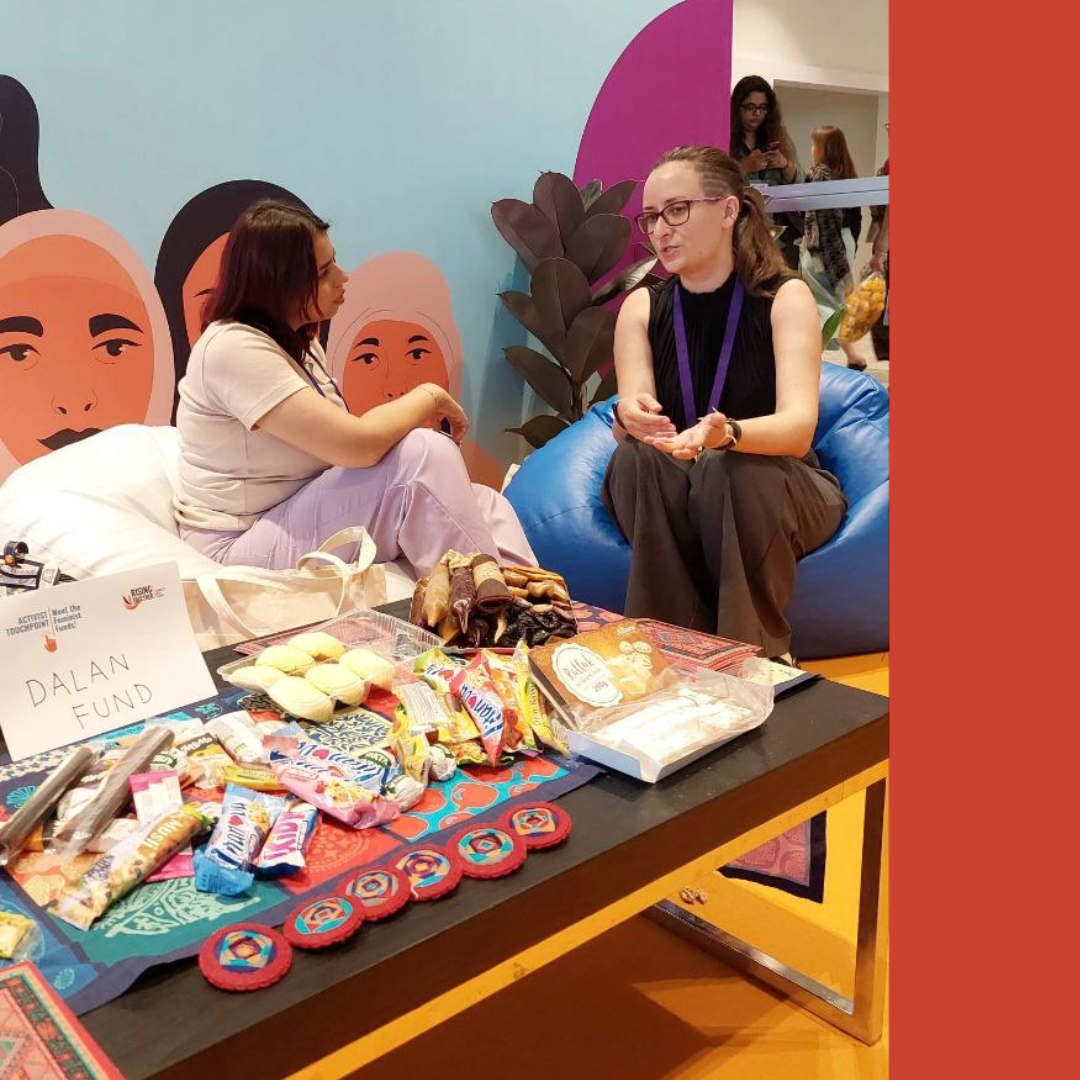
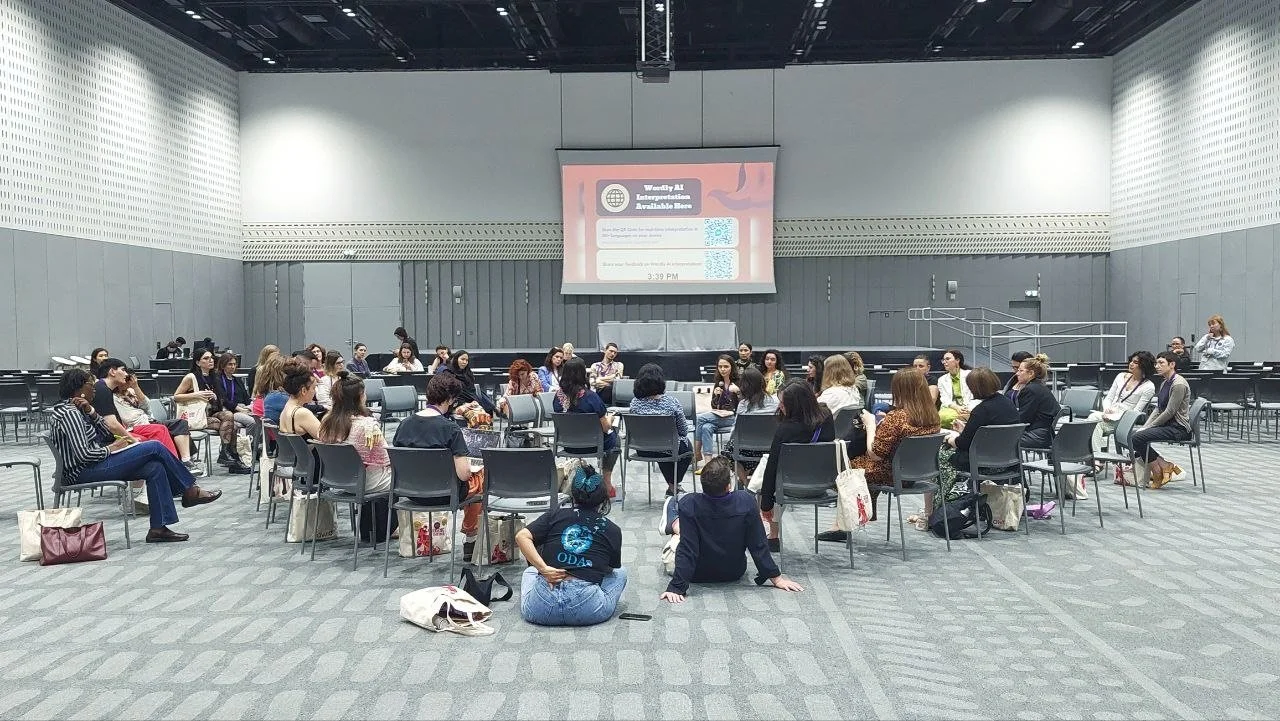
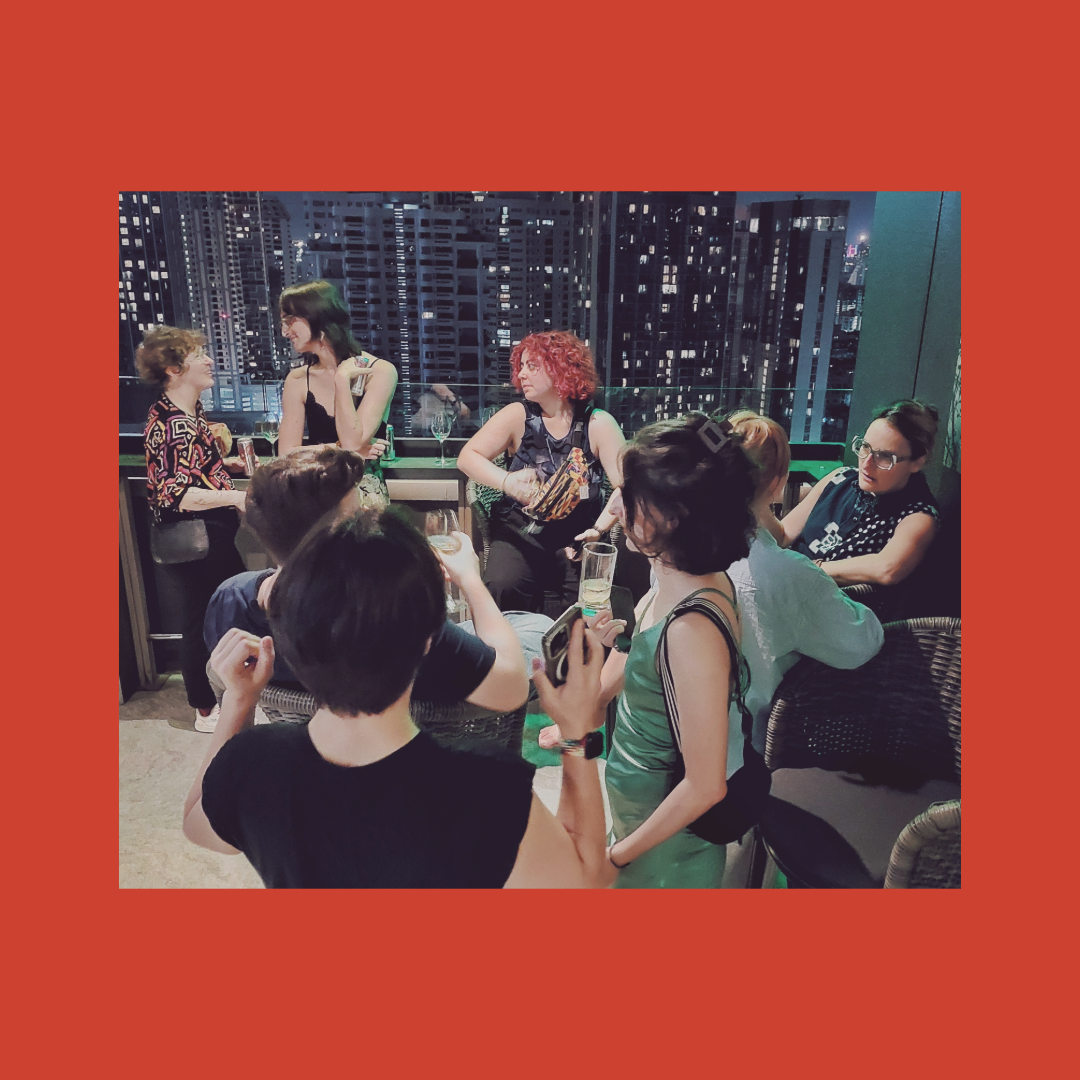
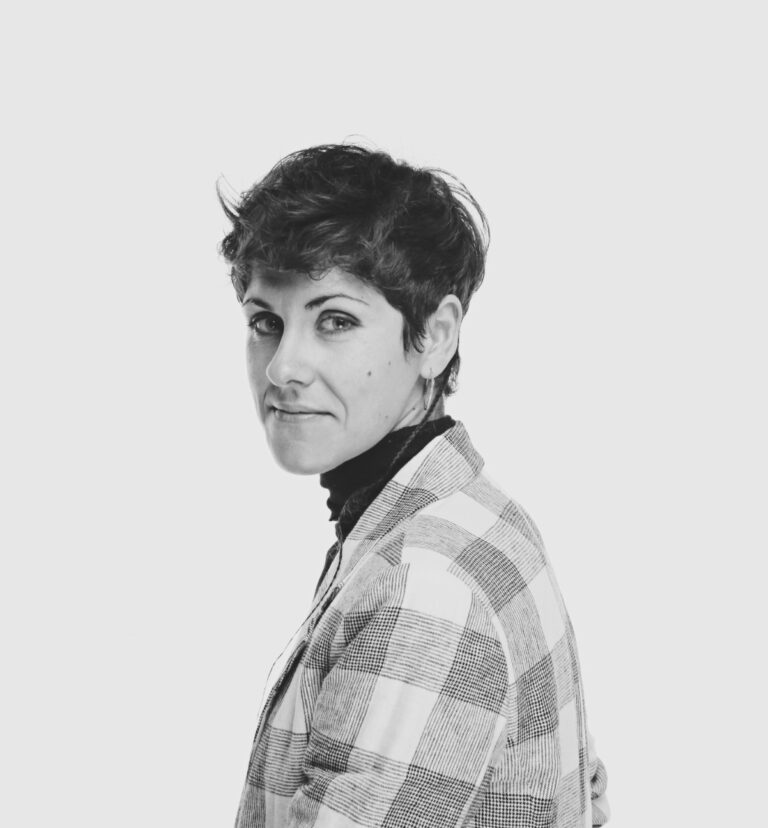
We were happy to have the opportunity to invite our community members — activists from Central and Eastern Europe, the Caucasus, and Central and North Asia (CEECCNA) – members of our Participatory Decision-Making Committee — to attend AWID. This is part of our effort to ensure greater visibility and exposure for our communities and regions while bringing CEECCNA perspectives into global advocacy spaces. We spoke with them about their key takeaways and the role of such convenings in strengthening intersectional feminist movements and advancing resourcing justice in CEECCNA regions.

Zemfira Gogui / North CaucasusAdvocate for Indigenous women’s rights.
Olha Boiko / Ukraine
Climate justice activist, and network coordinator at CAN EECCA.


Sasha / North Asia
Climate justice and Indigenous rights activist.
What were your key takeaways from AWID?
Olha: What stood out most was the necessity of an intersectional approach to movement-building. Coming from climate justice organizing, I was humbled to learn from feminist activists about their challenges and strategies. Too often, we work in silos, yet focusing on what unites us — where we can stand on each other’s shoulders — brings hope. If we commit to learning from one another, our movements will be stronger, more resilient, and better equipped to push back against oppressive systems.
Sasha: As someone working primarily at the intersection of climate justice and Indigenous rights, being in a space like AWID — where discussions spanned from sex workers’ rights, feminist resistance to militarization, and decolonial economic models — was a powerful reminder of how deeply interconnected our struggles are. It challenged me to think beyond my professional focus and engage with deeper conversations about the gender-climate nexus. And as a result I encountered terms, concepts, and strategies that articulated what I had long felt but never had the words to express.
Zemfira: For me, AWID reinforced a fundamental truth: struggles for justice cannot be compartmentalized. Gender equality, economic liberation, and political freedoms are inextricably linked. In the Caucasus, many women remain trapped in cycles of violence not just because of legal or cultural barriers but because economic dependence is weaponized as a tool of control. Corruption, state neglect, and entrenched patriarchal norms make financial autonomy nearly impossible for many, turning survival itself into an act of resistance.
“Attending AWID 2024 was one of the most significant experiences of the year — an opportunity to share our regional struggles, amplify perspectives, and make our realities more visible.”
— Zemfira
Did any moments or insights particularly resonate with you?
Sasha: One of the most striking sessions I attended was on Pacific Island feminist movements (Feminists Defending the Living Planet). Activists from Palau spoke about the direct link between patriarchy, climate, and militarization — how, in their words, “They control our bodies and our lands.” They shared how the US military presence on their islands now exceeds the local population, exposing the deep ties between colonialism, environmental destruction, and gendered violence.
This framework felt deeply relevant to Russia and the CEECCNA regions. In Russia, for example, fossil fuel decision-making is controlled by a male-dominated elite—a ‘gentlemen’s club’ shaping not only the future of energy but also sponsoring wars and environmental destruction. Militarization, resource extraction, and gender oppression are not separate issues; they are threads of the same system.
Zemfira: A phrase from Chile’s Brigada de Propaganda Feminista stayed with me: “Nuestra primer arma es el amor entre mujeres”—”Our first weapon is the love between women.” For me this is more than a poetic statement; it’s a radical strategy. It speaks to the power of feminist solidarity — not as an abstract ideal but as the glue that holds our movements together. Real transformation happens when we show up for one another.
Olha: One of the most powerful moments was the closing panel, when feminist activists from Ukraine and Georgia stood on stage before thousands of supporters, calling for feminist solidarity in resisting Russian imperialism. Naming Russian imperialism as the root cause of war and polycrisis in CEECCNA is a necessary intervention — one that is not always welcomed in global spaces. That moment made it clear: feminist movements must be unwavering in their political clarity and solidarity.
Why do spaces like AWID matter for activists from Central and Eastern Europe, the Caucasus, and Central and North Asia (CEECCNA)?
Zemfira: Activists in CEECCNA operate in politically repressive environments with limited access to global networks and spaces for collective strategizing. AWID offers a rare opportunity to exchange knowledge, strengthen our tactics, and, most importantly, affirm our place within the global feminist movement. Yet, despite this opportunity, the absence of many voices from our regions was striking. Too many of our struggles remained invisible, too many perspectives unheard. As I moved through conversations on global feminist resistance, I kept thinking about all the activists who should have been there — their insights, lived experiences, and political analyses missing from the discourse.
Sasha: Many of us in CEECCNA are so deeply immersed in crisis response that spaces like AWID can feel like a luxury — something distant from the immediate urgencies of our work.
Olha: Exactly! Many activists never even hear about these opportunities, or if they do, they are not invited—or funding is an insurmountable barrier. Our movements are underfunded, and many activists live in constant crisis, struggling for basic stability. It’s hard to step beyond local work and participate in global conversations when your day-to-day reality is so precarious. But there’s another side to this. The global feminist and climate justice movements remain largely unaware of our struggles, our tactics, and the tools we’ve developed to resist authoritarianism, extractivism, and oppression. This knowledge gap weakens us all.
Zemfira: I only wish more activists from CEECCNA had been there – not just as attendees but as active contributors shaping the discourse.
What role should funders play in making these spaces more accessible?
Learning from global feminist practices strengthens our own resistance strategies and helps us refine our own approaches – from community care models to tactics for confronting authoritarianism.
That means providing flexible, long-term funding that accounts for political repression, economic instability, and everyday crises activists navigate. A deeper understanding of CEECCNA’s realities — both its commonalities and its differences — would be a major step forward.
When funders recognize that the knowledge and strategies emerging from underfunded, crisis-affected regions are essential to global justice movements, we all become stronger.